How to DIY Pot of Gold Crafts Kids Make at Home

Learn how to create a diy pot of gold craft kids can make at home using simple pantry staples. A mess-free, 10-step guide for a magical St. Paddy’s Day.
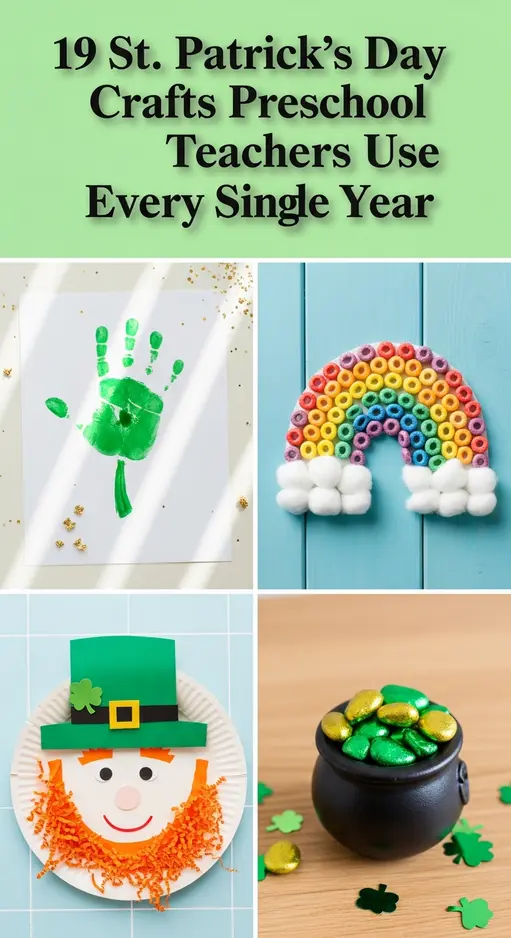
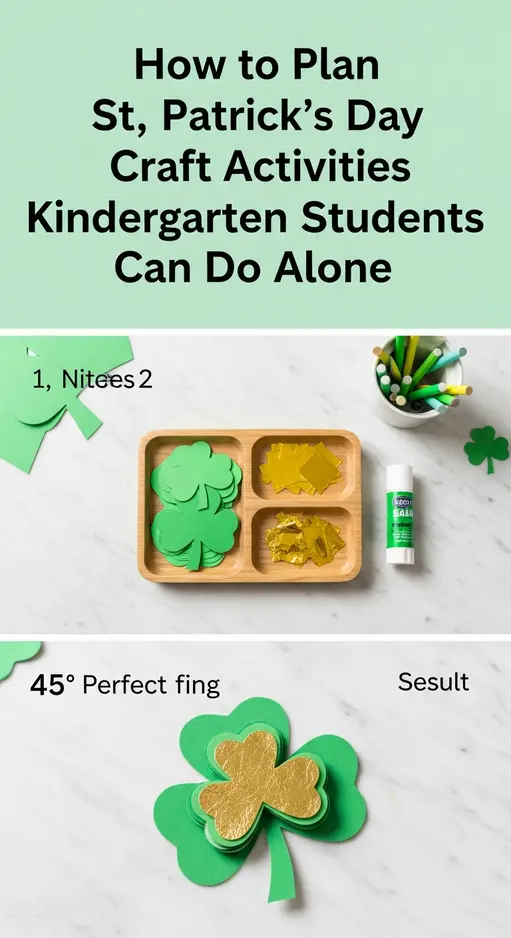
As a busy mom, the holiday mental load in 2026 is totally real. You want to make those magical memories, but the thought of a glitter explosion in the living room is terrifying. Who has time to drive to three different stores for one specific shade of green felt? Not me. At all. If you are wondering how to make a simple and fun pot of gold craft for kids using everyday household materials at home, you are in the right place. Today, we are making an adorable diy pot of gold craft kids can make at home using items you already have. In just 10 simple steps, you’ll have a gorgeous holiday keepsake that looks professional but costs nothing.
The first time I tried a ‘simple’ pot of gold project, the wet paint turned my paper plate into a soggy, grey mess that collapsed before my kids even saw it. My kitchen quickly looked like a leprechaun crime scene, and the holiday magic was gone in minutes. This tutorial is the direct result of that fail—re-engineered to be sturdy, quick-drying, and actually mess-free.
- Rule #1: The ‘Pantry First’ Rule: Always check your recycling bin for “pots” like yogurt cups or egg cartons before buying plastic. It’s better for the planet and saves your wallet.
- Rule #2: The Dot-Not-Glob Principle: When using school glue, teach kids to use tiny dots rather than giant puddles. This keeps your craft’s drying times under 5 minutes.
- Rule #3: The Tray Technique: Perform all “gold-making” steps, like painting or adding glitter, inside a rimmed baking sheet. This brilliant hack contains the mess instantly.
Phase 1: Constructing the Base & Pot
Step 1: Divide and Conquer the Plate
Cut your paper plate directly in half with a sharp pair of scissors. One half will become the rainbow arch, and the other will be trimmed to create the pot.
Step 2: Shape the Black Cauldron
Take one half-circle and trim 1 inch off the rounded top to create a flat edge. This flat section becomes the open mouth of the pot of gold.
Step 3: Apply the Midnight Black Finish
Coat the trimmed pot piece in black washable paint or glue a piece of black construction paper over it. Let it rest for a 10-minute drying time.
Phase 2: Creating the Rainbow & Golden Coins
This stage adds the vibrant color and the lucky treasure to your project using markers and paper scraps.
Step 4: Map Out the Rainbow Arch
On the remaining white half-circle, use a pencil to lightly trace 6 curved lanes for your rainbow colors. Keep the lines roughly a half-inch apart.
Step 5: Color the Spectrum
Using washable markers, fill in the lanes. Start with Red on the outermost edge and work your way inward down to Purple.
Step 6: Punch Out the Gold Coins
Using yellow construction paper, cut out 5-7 small circles to serve as your leprechaun gold. Aim for them to be roughly the size of a quarter.
Step 7: Stack the Treasure
Apply school glue stick to the top flat edge of your black pot. Layer the yellow circles so they look like they are overflowing out of the cauldron.
Phase 3: Assembly & The Irish Blessing
Final assembly brings the two halves together, topped with fluffy white clouds and a traditional lucky blessing.
Step 8: Connect the Pot to the Rainbow
Glue the bottom-right corner of the rainbow arch to the back of the black pot. The rainbow should appear to be ending inside the gold.
Step 9: The Final Touch – Attaching the Irish Blessing
Before adding the final clouds, grab a marker to write an authentic blessing on the back of the rainbow or a small paper tag.
Write: “May your pockets be heavy and your heart be light, may good luck pursue you each day and night.”
Step 10: Fluff the Clouds
Glue cotton balls to the opposite end of the rainbow to create a soft, 3D cloud. This balances the pot of gold on the other side.
Phase 4: Display Magic & Easy Clean-Up
Preservation & Display Instructions: This craft is wonderfully lightweight! Use a clothespin to hang it from a piece of twine across a sunny window. You can also use a small piece of poster putty to stick it directly to the fridge. It can easily be made up to 2 weeks before St. Patrick’s Day.
Storage Rules: To keep this treasure for next year, place it flat between two pieces of cardboard in a dry bin. Avoid heavy stacking on top of it to keep the cotton balls nice and fluffy.
The 5-Minute Clean-Up Hack: If you ended up with gold paint or glue on the table, don’t scrub right away! Lay a warm, damp paper towel over the stubborn spot for 60 seconds. The residue will wipe away in one easy swipe without damaging your finish.
Creating these magic moments with your kids is truly about the fun process, not just a perfect product. But having an aesthetic, budget-friendly result certainly makes it a win for everyone involved!
Doing this project is fantastic for family bonding and ranks as one of my favorite St. Patrick’s Day kids activities in 2026. Next time you need a rainy day activity, remember that your pantry is full of hidden treasures.
Thought of you! I found this low-mess Pot of Gold craft that actually looks cute on the shelf. May your heart be light and your luck be bright! Let’s make this with the kids this weekend: [Link]
(Copy and text this right now to your bestie or family group chat! And don’t forget to pin this post to your Pinterest boards for next year.)
Frequently Asked Questions
1. How can I make a pot of gold craft with only paper plates?
You can make a pot of gold by cutting a paper plate in half and painting it black. I found that using two plates stapled together creates a sturdy pocket to hold gold coins. Use a thick Paper Plate so it doesn’t flop over when you add the weight of the decorations.
2. What is the best way to make gold coins for kids’ crafts at home?
The best way to make gold coins is to use a circular hole punch on yellow cardstock and coat them with gold glitter. For a less messy look in 2026, I use a gold metallic marker to draw shimmer lines instead of loose glitter. This keeps the coins shiny without leaving a trail of sparkle all over your floor.
3. How do you make a rainbow pot of gold craft for a toddler safely?
To make this craft safe for toddlers, use large pre-cut felt pieces and non-toxic glue sticks. I always avoid small beads or tiny sequins that could be choking hazards for little ones. In 2026, I prefer using thick cotton balls for the clouds because they are easy for tiny hands to grab and stick down.
4. What are some mess-free pot of gold activities for a classroom setting?
Use contact paper and tissue paper scraps to create sun catcher pots of gold that stick directly to windows. This method completely removes the need for liquid glue or paint in the classroom. I keep things organized by giving each student their own pre-cut Black Cardstock frame and a small bag of Rainbow colors.
5. How can I use recycled materials to build a St. Patrick’s Day leprechaun trap?
You can build a great leprechaun trap by using an empty cereal box or a green plastic soda bottle. I like to turn the cereal box upside down and cut a trap door in the bottom. Use some Aluminum Foil to create a shiny path that lures the leprechaun right into your Box.
6. What kind of paint is safest for kids to use on clay gold pots?
Non-toxic Tempera Paint or water-based Acrylic Paint are the safest choices for painting clay pots. I always check the label for the AP Seal of safety before letting my students start painting. If you want a glossy finish, I suggest adding a layer of Mod Podge once the base color is fully dry.
7. How long does it typically take to complete a DIY pot of gold project?
Most simple pot of gold crafts take about 30 to 45 minutes to finish from start to finish. If you are using paint or heavy glue, you need to add an extra hour for drying time. I often prep my materials the night before so the kids can get straight to the fun part of building the craft.
8. Where can I find a free printable template for a 3D pot of gold?
You can find free 3D pot of gold templates on popular teacher resource sites or by searching my blog’s freebie library. Look for PDF files that have clear fold lines so you don’t get confused during assembly. I found that printing on Heavy Cardstock makes the 3D shape much more durable and helps it stand up on its own.