
Best Apple-Themed Books for Kids — Learning & Fun (2026)

I’m going to say something that might get me side-eyed at story time: most apple-themed kids’ books are forgettable. They’re either counting books with zero story, or nonfiction that reads like a textbook for a 4-year-old, or board books that your toddler has chewed into submission by October 3rd. I know — I’ve bought more than my share of them. My kids have gone through apple season after apple season, and our bookshelf has cycled through the keepers and the donate pile. The good news? There are real gems out there — books that make the “how do apples grow” question actually interesting, books that become bedtime favorites instead of shelf decorations, and books that grow with your child from board-book age to independent reading.
After a full season of reading, rereading, and test-driving these with my kids, here are the 10 apple books that actually earned their place on the shelf — the ones that teach, delight, and survive the applesauce-stained hands:
- The classic counting book that makes math feel like a circus act
- The beginner reader that turns “I can read” into “I can read about apples”
- The nonfiction pick that answers real kid questions without the lecture
- The friendship story that isn’t really about apples at all (but kids love it anyway)
- The orchard adventure that makes fall field trips even better
Quick Answer: 10 Best Apple Books for Kids at a Glance
| Book | Best For | Price | Rating | |
|---|---|---|---|---|
| Ten Apples Up On Top! | Counting Fun (2–6) | $5.86 | ⭐4.8 (5,720) | See on Amazon |
| Apple Picking Day! | Beginner Readers (4–6) | $3.99 | ⭐4.8 (1,636) | See on Amazon |
| The Apple Pie Tree | Seasons Science (3–7) | $28.99 | ⭐4.7 (152) | See on Amazon |
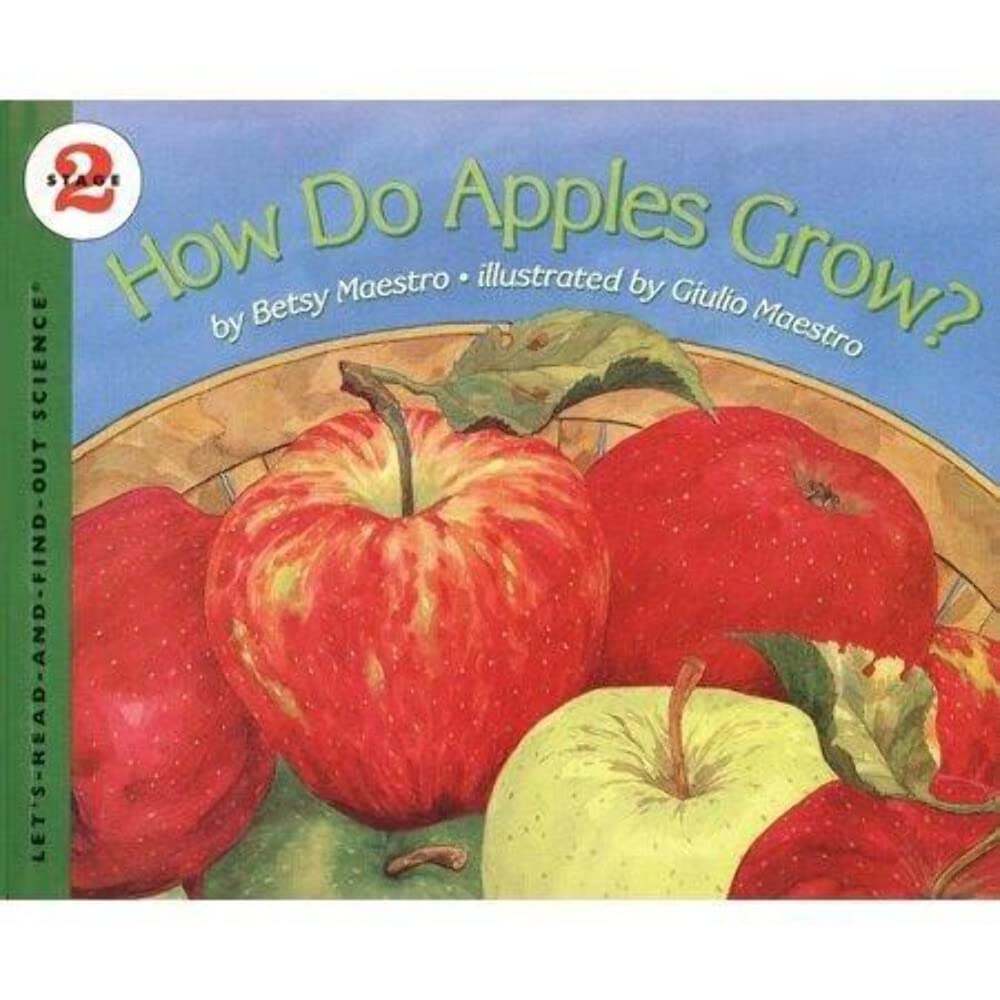
| How Do Apples Grow? | Nonfiction Intro (4–8) | $4.79 | ⭐4.7 (879) | See on Amazon |
| Apple Farmer Annie | Orchard Story (2–6) | $5.20 | ⭐4.8 (639) | See on Amazon |
| The Seasons of Arnold’s Apple Tree | Year-Round Learning (3–7) | $7.99 | ⭐4.6 (273) | See on Amazon |
| Amara’s Farm | Diverse Picture Books (3–7) | $6.99 | ⭐4.9 (99) | See on Amazon |
| Bad Apple: A Tale of Friendship | Friendship Lessons (4–8) | $6.20 | ⭐4.8 (742) | See on Amazon |
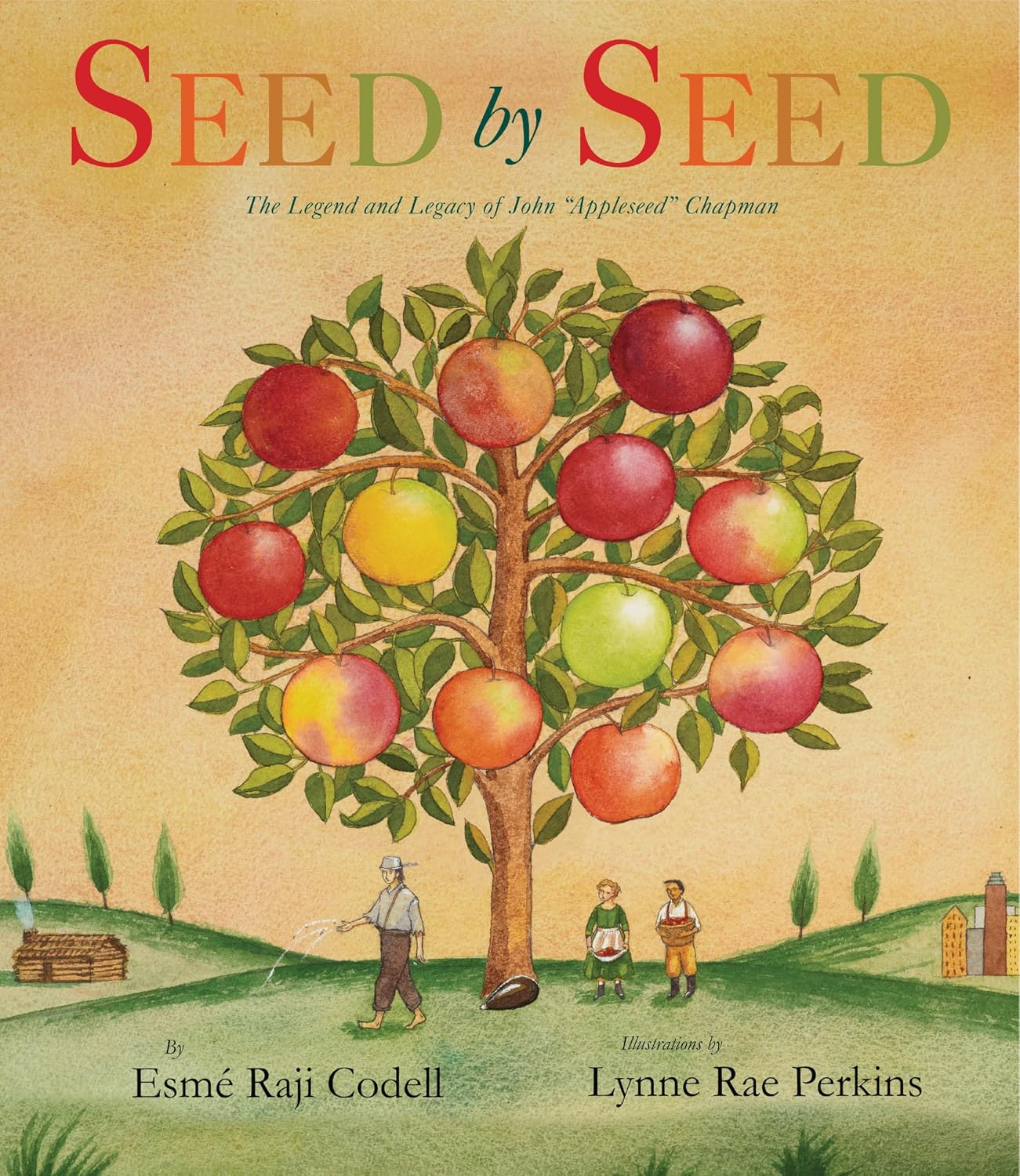
| Seed by Seed | Johnny Appleseed (4–8) | $6.99 | ⭐4.6 (77) | See on Amazon |
| Apple Countdown | Field Trip Story (3–7) | $9.31 | ⭐4.7 (101) | See on Amazon |
How I Picked These (A Season of Read-Alouds)
I tested these books the way parents actually do: repeated bedtimes, car rides, and “read it AGAIN” requests. Every book earned its spot on three questions:
- The reread test: Would my kids ask for it twice in one night?
- The learning test: Did it actually teach something (counting, science, empathy) without feeling like homework?
- The durability test: Would it survive the toddler-chew-and-drop treatment and the applesauce fingers?
The verdict rule: a book made the list if it earned its place on the shelf — not just on the “seasonal display” shelf, but in the regular rotation.
Community Voice: What Real Parents and Teachers Say
- r/suggestmeabook and r/Parenting: When parents ask for apple books, the same titles come up every time — Ten Apples Up On Top for counting and Bad Apple for friendship. The repeated advice: check the age rating, because several “classics” skew older than people expect.
- Kindergarten and preschool teachers: Lesson-plan threads recommend How Do Apples Grow? for science units and Apple Picking Day! for beginning readers — teachers consistently call them “the ones kids actually engage with.”
- Librarians’ fall book lists: School-library blogs pair The Apple Pie Tree with real apple-tasting activities and use The Seasons of Arnold’s Apple Tree to teach the four seasons — both are standard picks on educator lists.
- r/moderatelygranolamoms: The “learning through nature” crowd recommends Amara’s Farm for diverse representation in the garden-book genre and Seed by Seed for the Johnny Appleseed story done thoughtfully.
- Homeschool forums: Apple unit-study roundups consistently include Gail Gibbons’ books (her tree book is a fixture) and note that Apple Countdown works well for kids who’ve been on an orchard field trip.
The pattern I noticed: the books that survive are the ones with a story underneath the apple theme. Counting books that rhyme, nonfiction that narrates, and friendship stories that just happen to involve apples — those get reread. The ones that die on the shelf are the “here are facts about apples” lectures. This list is heavy on story and light on lecture for exactly that reason.
1. Ten Apples Up On Top! — Best Counting Fun

The Real Story
If you only buy one apple book this season, this is it. Ten Apples Up On Top! by Theo LeSieg (the pen name for Dr. Seuss) is the counting classic where a lion, a dog, and a tiger compete to balance apples on their heads — with increasingly ridiculous results. It’s a Beginner Book, so the rhyme is simple enough for new readers but silly enough to make my kids howl. With 5,720 ratings at a 4.8 average, it’s the most-loved apple book on this list by far. My little ones count along out loud: “Seven apples up on top. I am so good they will not drop.” It’s math disguised as a circus act — and it works.
What Actually Works
- Counting built into the story: Numbers 1–10 woven through the rhyme.
- 5,720 ratings at 4.8: The community’s all-time apple favorite.
- Beginner Book level: Read-aloud for toddlers, first solo reading for kindergartners.
- $5.86: The best value on this list.
- Dr. Seuss nonsense energy: Kids request it on repeat.
The Honest Con
- No real apple science: This is pure counting fun — don’t expect orchard facts.
- 2026 note: Some editions print the author as “Dr. Seuss” — it’s the same beloved text either way.
What Real Buyers Say on Amazon
⭐⭐⭐⭐⭐ “A hilarious story in rhyme about a number of animals who could carry 10 apples on their heads. My kids request it every night.” — Verified Purchase
⭐⭐⭐⭐⭐ “Seven apples up on top. I am so good they will not drop. The rhyme is addictive — we read it three times in a row.” — Verified Purchase
Who It’s Best For
Kids ages 2–6 who are learning to count — or who just love a silly, rhythmic read-aloud.
Worried It’s Too Simple?
The counting is the point, but the humor carries it far past “educational.” My oldest (well past counting books) still reads it to the younger ones for the laughs. A book that entertains across ages is the definition of value.
2. Apple Picking Day! — Best Beginner Reader

The Real Story
The magic moment in early reading is when a kid realizes they can read a real book all by themselves. Apple Picking Day! is a Step into Reading Level 1 book that makes that moment happen — short sentences, picture clues, and a whole story about an apple-picking trip. At $3.99 with 1,636 ratings at a 4.8 average, it’s the book I hand to every beginning reader in my life. One reviewer put it perfectly: “Great fall/apple themed book to read to toddlers and great for beginning readers.” It does double duty — read-aloud for the littles, first-reader for the bigs.
What Actually Works
- Step 1 reading level: Simple words, strong picture clues.
- $3.99: The cheapest way to grow a reader.
- 1,636 ratings at 4.8: A trusted classroom pick.
- Real orchard details: Picking, weighing, cider — the whole field-trip vocabulary.
- Rhythmic text: Builds confidence with repetition.
The Honest Con
- Thin and short: It’s a leveled reader, not a bedtime epic — expect a 5-minute read.
- Step 1 only: Older kids will outgrow it fast; it’s for the 4–6 crowd.
What Real Buyers Say on Amazon
⭐⭐⭐⭐⭐ “Great fall/apple themed book to read to toddlers and great for beginning readers.” — Verified Purchase
⭐⭐⭐⭐ “Perfect level for my kindergartner — she read it to me after apple picking and was so proud.” — Verified Purchase
Who It’s Best For
Kindergartners and preschoolers on the edge of reading — especially right after a real apple-picking trip.
Worried It’s Too Easy?
That’s the point — it’s supposed to be easy enough to finish. Success breeds confidence, and confidence breeds more reading. This is the book that makes a kid announce “I read this whole thing BY MYSELF.”
→ Check Today’s Deal on Amazon
3. The Apple Pie Tree — Best Seasons Science

The Real Story
The Apple Pie Tree by Zoe Hall is the rare picture book that teaches real science through a genuinely warm story. Two sisters watch their apple tree through the seasons — blossoms in spring, tiny green apples in summer, ripe apples and pie in fall — while a robin family nests in the branches. The collage-style illustrations are gorgeous, and the book even ends with an apple pie recipe. Reviewers rave about it in classrooms: “I enjoyed reading this book to my TK kids. It has great pictures and the content kept them listening to the story and ask questions afterwards.” It’s the seasons lesson that feels like a story, not a lecture.
What Actually Works
- Four seasons in one book: Blossom to pie, the full apple lifecycle.
- The nesting robin subplot: Kids love the bird family’s parallel story.
- Real science, real warmth: Photos + collage illustrations.
- Pie recipe included: Extend the story into the kitchen.
- 152 ratings at 4.7: A small count but a devoted following.
The Honest Con
- The price tag: $28.99 is steep for a picture book — it’s often a marketplace-price print run. Worth hunting for a used or library copy if budget matters.
- Slower pace: It’s thoughtful, not action-packed — best for kids who love watching and wondering.
What Real Buyers Say on Amazon
⭐⭐⭐⭐⭐ “Great for sharing with a group or one-on-one.” — Verified Purchase
⭐⭐⭐⭐⭐ “I enjoyed reading this book to my TK kids. It has great pictures and the content kept them listening to the story and ask questions afterwards.” — Verified Purchase
Who It’s Best For
Kids 3–7 who ask “why” about everything — and teachers or homeschoolers doing a seasons unit.
Worried About the Price?
Check your library first — this is a book worth borrowing to test. If your kid asks for it again (mine did), the cost-per-read across a season of requests gets very reasonable very fast.
4. How Do Apples Grow? — Best Nonfiction Intro
The Real Story
Every parent knows the moment: the kid looks at the apple in their hand and asks, “How did this get here?” How Do Apples Grow? by Betsy Maestro is the answer — the classic Let’s-Read-and-Find-Out science book that traces an apple from flower to fruit with clear illustrations and just the right level of detail for curious 4-to-8-year-olds. At $4.79 with 879 ratings at a 4.7 average, it’s the nonfiction pick teachers recommend and kids actually listen to. Reviewers confirm: “Great book. Very informative actually.” It answers the questions kids genuinely ask — without the textbook glaze.
What Actually Works
- Flower to fruit: The full apple lifecycle in kid-friendly language.
- Let’s-Read-and-Find-Out series: The gold standard of children’s science books.
- $4.79: Nonfiction that costs less than a coffee.
- 879 ratings at 4.7: Classroom-tested for decades.
- Supports orchard trips: The “before you go” or “after you’re back” read.
The Honest Con
- Older-child focus: It’s informative, not silly — better for 4+ than for toddlers.
- Illustrations, not photos: Some kids expect photos in “real” science books; these are detailed drawings.
What Real Buyers Say on Amazon
⭐⭐⭐⭐⭐ “Great book. Very informative actually. My daughter asks for it again and again around apple season.” — Verified Purchase
⭐⭐⭐⭐ “Perfect for our apple unit in kindergarten — the diagrams are clear and the kids understood the whole cycle.” — Verified Purchase
Who It’s Best For
Curious kids 4–8 — especially the ones who want to know how and why behind everything.
Worried It’s Too Advanced for a Toddler?
It’s aimed at early elementary, so toddlers won’t sit for the whole thing — but the pictures alone carry interest. Pair it with Ten Apples Up On Top! for the toddler, and this for the school-age kid, and everyone wins.
→ See What Moms Are Paying Today on Amazon
5. Apple Farmer Annie — Best Orchard Story

The Real Story
Apple Farmer Annie is the story of a farmer who grows apples, makes applesauce, bakes apple treats, and sells them at the city market — with bright, cheery illustrations that make the whole apple economy feel cozy. Reviewers call it exactly what it is: “Charming and cheery, Wellington’s story makes a great read-aloud.” With 639 ratings at a 4.8 average, it’s the orchard-to-table story that teaches where food comes from without a single lecture. My kids love the market pages — the stalls full of apple pies and cider make them want to bake immediately.
What Actually Works
- Orchard to market: A full food journey in one sweet story.
- Bright, busy illustrations: Tons of details to find on every page.
- 639 ratings at 4.8: A mom-and-teacher favorite.
- $5.20: Budget-friendly classic.
- Baking tie-in: Perfect before an applesauce or pie afternoon.
The Honest Con
- Simple plot: It’s gentle and slow — great for 2–5, not a page-turner for big kids.
- Food focus: If your kid wants adventure, this isn’t it; if they love cooking/farm life, it’s perfect.
What Real Buyers Say on Amazon
⭐⭐⭐⭐⭐ “Charming and cheery, Wellington’s story makes a great read-aloud.” — Verified Purchase
⭐⭐⭐⭐⭐ “My daughter loves looking at all the details in the market scenes. We read it every fall.” — Verified Purchase
Who It’s Best For
Toddlers and preschoolers who love farm stories, baking, and pointing at pictures — perfect before a kitchen project.
Worried It’s Too Quiet a Story?
Pair it with an activity — read it, then make applesauce together. The book becomes the recipe’s story, and the story becomes the memory. That’s how picture books earn their shelf space.
6. The Seasons of Arnold’s Apple Tree — Best Year-Round Learning

The Real Story
Gail Gibbons is the name teachers trust for children’s nonfiction, and The Seasons of Arnold’s Apple Tree shows why. Arnold follows his apple tree through spring blossoms, summer growth, fall harvest, and winter dormancy — with a cider-making scene and a pie recipe at the end. Reviewers put it simply: “Gail Gibbons has taught more preschoolers and early readers about the world than any other children’s writer-illustrator.” At $7.99 with 273 ratings at a 4.6 average, it’s the year-round companion to the one-season apple books — perfect for teaching that trees don’t just produce fruit in September.
What Actually Works
- All four seasons: The apple tree’s full year, not just harvest.
- Gail Gibbons’ signature style: Clear, labeled illustrations that teach.
- Cider and pie sections: Practical, cozy extensions.
- $7.99: Fair price for a book that teaches all year.
- 273 ratings at 4.6: Educator-approved.
The Honest Con
- Informational tone: It’s Gibbons-style nonfiction — great for learning, less whimsical than a storybook.
- Multiple copies in classrooms: If your kid’s teacher already has it, a home copy is still nice for bedtime — just know they may have read it at school.
What Real Buyers Say on Amazon
⭐⭐⭐⭐⭐ “Gail Gibbons has taught more preschoolers and early readers about the world than any other children’s writer-illustrator.” — Verified Purchase
⭐⭐⭐⭐ “Great book for teaching the four seasons. We read it in September and again in January to check on Arnold’s tree.” — Verified Purchase
Who It’s Best For
Preschool and early-elementary classrooms — and homes that want one book that lasts the whole year.
Worried About Duplicating the Science Pick?
How Do Apples Grow? explains the how; this book tells the when — the whole year. If you get both, you have the complete apple education. If you get one, this one covers more ground with the seasons angle.
→ See If It’s Still in Stock on Amazon
7. Amara’s Farm — Best Diverse Picture Book

The Real Story
Amara’s Farm (from the Where In the Garden? series by JaNay Brown-Wood) is the picture book I wish had existed when my kids were little: a sweet, bright story about a girl looking for pumpkins on her family’s farm, with a counting-and-searching structure that invites little ones to help her look. The illustrations are warm, the mystery is gentle, and — importantly — it shows a Black farming family, which matters more than most bookshelves admit. At 4.9 stars (99 ratings) it’s one of the best-loved new picture books in the garden genre, and the “where is it?” format makes it a read-aloud that even toddlers can play along with.
What Actually Works
- Search-and-find structure: “Is it a pumpkin? No, that’s a…” — kids participate actively.
- 4.9-star rating: One of the highest-rated books on this list.
- Counting + garden vocabulary: Apples, pumpkins, and more in one visit.
- Diverse representation: A Black farming family — a rarity in orchard books.
- Series potential: More Where In the Garden? books if your kid loves this one.
The Honest Con
- Small rating count: 99 ratings — newer book, so it lacks the decades of feedback the classics have.
- Garden variety, not apple-deep: The farm visit includes apples but the plot centers on the pumpkin search.
What Real Buyers Say on Amazon
⭐⭐⭐⭐⭐ “My daughter loves helping Amara look for the pumpkin — we read it at least twice every night.” — Verified Purchase
⭐⭐⭐⭐⭐ “A beautiful, inclusive farm book with a fun search structure. The illustrations are gorgeous.” — Verified Purchase
Who It’s Best For
Kids 3–7 who love interactive read-alouds — and families who want orchard books that reflect more of the real world.
Worried It’s Not Apple-Focused Enough?
Apples are part of the farm visit, and the “where in the garden?” format means kids name every crop — including apples. If you want pure apple content, pair it with the science picks; if you want a great book that happens to visit the apple tree, this is it.
8. Bad Apple: A Tale of Friendship — Best Friendship Lesson

The Real Story
Bad Apple is the book on this list that isn’t really about apples at all — it’s about friendship, and it uses apples as the delightful cast. Mac, a good apple, befriends Will, a worm, and together they face the orchard’s disapproval. The message — that friendship is about the heart, not the appearance — lands softly and memorably. Reviewers describe it perfectly: “Hemingway’s story of friendship against the odds is sweet.” With 742 ratings at a 4.8 average, it’s the apple book that teaches empathy, and it’s the one parents report their kids loving year-round, not just in apple season.
What Actually Works
- The friendship message: Anti-bullying, pro-kindness, without preaching.
- 742 ratings at 4.8: Loved across ages.
- Gorgeous illustrations: Hemingway’s art is genuinely beautiful.
- Wordplay humor: “Bad apple” puns that make parents grin too.
- Beyond apple season: A year-round keeper.
The Honest Con
- Not educational: No apple facts here — pure story.
- Ages 4–8: The bullying theme is better for older picture-book readers than toddlers.
What Real Buyers Say on Amazon
⭐⭐⭐⭐⭐ “Hemingway’s story of friendship against the odds is sweet. My son asks for it even in spring.” — Verified Purchase
⭐⭐⭐⭐ “A beautiful book about friendship and acceptance. The apple and worm are an unlikely, lovely pair.” — Verified Purchase
Who It’s Best For
Kids 4–8 — especially if there’s a friendship lesson worth having in your house right now.
Worried It’s Off-Theme for Apple Season?
It’s the apple book that keeps working in December, March, and July. The seasonal books are lovely, but every bookshelf needs the one that never stops being relevant. This is it.
→ See the Current Price on Amazon
9. Seed by Seed — Best Johnny Appleseed Story
The Real Story
Every apple-season bookshelf needs the Johnny Appleseed story, and Seed by Seed by Esme Raji Codell is the thoughtful version — a picture-book biography of John Chapman that balances fact and legend, with Lynne Rae Perkins’ gentle illustrations. The framing device (the “seeds” Chapman planted — kindness, generosity, stewardship) turns a history lesson into a character lesson. Fans are devoted: “We absolutely love this book! Such sweet book which relates both fact and legend surrounding Johnny.” At $6.99 with a 4.6 average, it’s the Johnny Appleseed book for families who want the real story, handled with care.
What Actually Works
- Fact + legend: Honest about the man behind the myth.
- Character seeds: Kindness, generosity, and stewardship as the real lesson.
- Gorgeous illustrations: Lynne Rae Perkins (Newbery Medalist) art.
- $6.99: Affordable biography for the 4–8 set.
- Great for fall units: Apple history without the sugar-coating.
The Honest Con
- A little slow for some: One reviewer found it less engaging than the zanier Johnny Appleseed books — it’s contemplative, not cartoonish.
- 77 ratings: A smaller crowd than the classics.
What Real Buyers Say on Amazon
⭐⭐⭐⭐⭐ “We absolutely love this book! Such sweet book which relates both fact and legend surrounding Johnny.” — Verified Purchase
⭐⭐⭐⭐ “Don’t get me wrong, this book has great illustrations and figurative language — it’s just a quieter take than other versions.” — Verified Purchase
Who It’s Best For
Kids 4–8 doing an apple-history or fall unit — and families who prefer their legends with a side of truth.
Worried It’s Too Quiet?
If your kid wants the action-packed Johnny Appleseed, this is a different register — but the “plant these seeds” ending is the part kids remember. It’s the book that turns a story into a conversation about character.
10. Apple Countdown — Best Field Trip Story

The Real Story
Apple Countdown by Joan Holub takes a class on a field trip to an apple orchard — and counts backward from 20 as the day unfolds: 20 kids on the bus, 19 apple trees, 18 ways to use an apple… The rhyming countdown structure makes it the perfect “night before the orchard trip” book. Reviewers note: “The rhyming text and cheery illustrations invite audience participation in counting objects.” At $9.31 with a 4.7 average, it’s the field-trip companion that turns a school outing into a story your kid can predict, count along with, and retell.
What Actually Works
- Countdown from 20: Counts backward — a skill most counting books skip.
- Orchard vocabulary: Bus, trees, ladders, cider — the full trip.
- Rhyming participation: Kids count along out loud.
- 101 ratings at 4.7: Educator-recommended.
- Perfect trip prep: Read it the night before apple picking.
The Honest Con
- $9.31: Pricier than the other paperbacks here for a similar page count.
- Seasonal niche: It’s an orchard-trip book — best right around the trip, then it waits for next year.
What Real Buyers Say on Amazon
⭐⭐⭐⭐⭐ “The rhyming text and cheery illustrations invite audience participation in counting objects.” — Verified Purchase
⭐⭐⭐⭐ “Read this the night before our preschool field trip — the kids were so excited to see everything from the book.” — Verified Purchase
Who It’s Best For
Preschoolers and kindergartners about to go apple picking — in class or with family.
Worried It’s a One-Trip Book?
It’s seasonal, yes — but the countdown structure keeps it fresh, and my kids still “read” it by counting the trees and apples even when the trip is months away. Books don’t need to be year-round to earn their keep; they need to be perfect for their moment.
→ Check Availability on Amazon
The 5-Book Core Shelf for Apple Season
If you’re building an apple bookshelf from scratch, here’s the core five that cover every need — for about $29 total:
- Ten Apples Up On Top! ($5.86) — the counting read-aloud every kid loves
- Apple Picking Day! ($3.99) — the first “I read it myself” book
- How Do Apples Grow? ($4.79) — the science answer to real kid questions
- Apple Farmer Annie ($5.20) — the cozy orchard-to-table story
- Bad Apple ($6.20) — the friendship book that lasts all year
That’s $27.04 for a shelf that covers counting, reading, science, story, and empathy — less than the price of one fancy picture book, and every single one earns repeat reads.
Buying Guide: How to Choose Apple Books for Your Kid
Before you load the cart, think about these five things — the same ones librarians and teachers consider when building their fall displays:
1. Age and reading level — match, don’t guess. Board books (0–3) need thick pages and minimal text. Picture books (3–7) need story and illustrations that carry. Leveled readers (4–7) need short sentences and picture clues. The biggest mistake parents make is buying a “classic” that’s actually years above their child’s level — then wondering why it sits unread.
2. Story under the theme. The books that get reread have a story underneath the apple: a competition (Ten Apples Up On Top), a friendship (Bad Apple), a field trip (Apple Countdown). The books that gather dust are fact dumps with apple decorations. When in doubt, choose the one with a plot.
3. Nonfiction vs. fiction. Real apple science matters — How Do Apples Grow? and The Seasons of Arnold’s Apple Tree answer the “how do apples get here” question that every kid eventually asks. But nonfiction alone won’t hold bedtime attention. The winning formula is one science pick plus two story picks per shelf.
4. Durability for little hands. Toddlers chew, drop, and “read” roughly. Board books survive; paperbacks need supervision. If the book is for a baby or toddler, buy board-book editions when available — they cost a little more but survive the treatment.
5. Representation matters. Kids absorb who belongs in stories. A shelf of farm books that only shows one kind of family teaches a lesson no one intends. Amara’s Farm is on this list because the farming family in it reflects the real world — and every bookshelf is better for variety.
FAQ: Apple Books for Kids
Q: What’s the best apple book for a 2-year-old?
A: Ten Apples Up On Top! (as a read-aloud) and Apple Farmer Annie are both perfect for toddlers. For board-book durability, look for the board-book edition of Ten Apples.
Q: What’s the best apple book for a beginning reader?
A: Apple Picking Day! (Step into Reading Level 1) — short sentences, picture clues, and an orchard story that builds confidence. It’s $3.99 and the first “I read this myself” moment is worth every penny.
Q: Is there a good nonfiction apple book for kids?
A: How Do Apples Grow? by Betsy Maestro is the classic pick — flower to fruit, clear diagrams, right-sized for ages 4–8. The Seasons of Arnold’s Apple Tree by Gail Gibbons is the year-round companion.
Q: Do these books work for classroom apple units?
A: Yes — teachers regularly use How Do Apples Grow?, The Apple Pie Tree, and The Seasons of Arnold’s Apple Tree for fall science units. Apple Countdown works for preschool field-trip prep.
Q: Are there board-book options?
A: Ten Apples Up On Top! has a board-book edition (the Bright and Early Board Book format) — best for toddlers. Most of the others are paperback/hardcover picture books meant for ages 3+.
Q: How many apple books does a kid actually need?
A: Five, realistically: one counting, one reader, one science, one story, one friendship. That covers every apple-season moment — and every book above earns its place.
The Bottom Line
I said most apple books are forgettable, and I meant it — but the ones on this list are the exceptions that prove the rule. Ten Apples Up On Top! makes counting feel like a dare. Apple Picking Day! hands a kid their first solo-reading win. How Do Apples Grow? answers the question they’re actually asking. And Bad Apple quietly teaches the friendship lesson that matters more than any orchard fact.
If you only do one thing this apple season, start with the $5.86 classic — Ten Apples Up On Top! is the book that started it all for my family, and it’s still the one my kids grab first when the apple bag comes home from the orchard. Read it together, count the apples, and make a memory that has nothing to do with screens and everything to do with a silly lion, a dog, a tiger, and ten apples. Happy apple season, friend — the books are waiting. 🍎
This post contains affiliate links. If you buy through them, I may earn a commission at no extra cost to you.
Sources
- Ten Apples Up On Top! — Random House Beginner Books
- The Apple Pie Tree — Scholastic
- How Do Apples Grow? — HarperCollins Let’s-Read-and-Find-Out
- The Seasons of Arnold’s Apple Tree — Gail Gibbons / Harcourt
- r/suggestmeabook and r/Parenting threads on kids’ apple books
- Amazon product pages and customer reviews for all books listed (pricing, ratings, and verified buyer sentiment as of August 2026)
