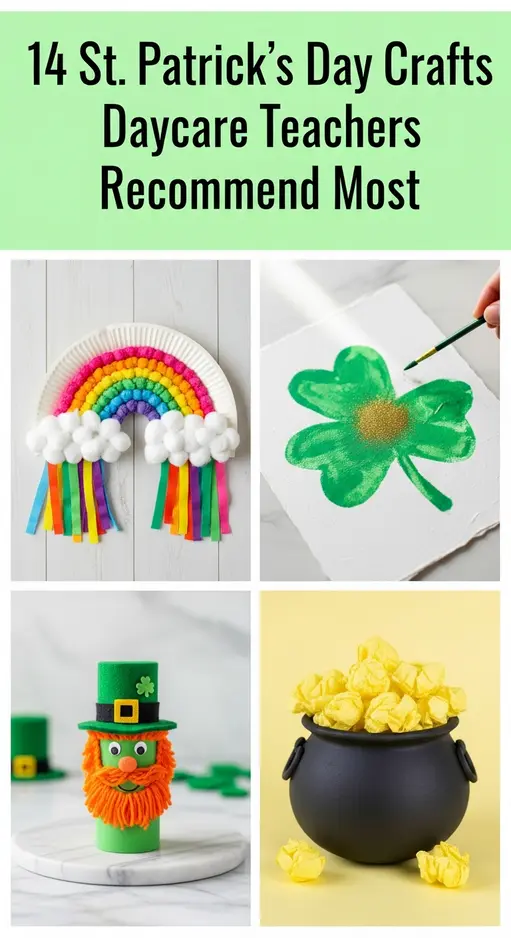
How to Paint Easy Shamrock Crafts Beginners Can Finish in Minutes

Discover 10 easy shamrock painting craft ideas beginners can finish fast. These foolproof, 5-minute St. Patrick’s Day projects use simple household items!
Let’s be real—you don’t have time for a massive crafting disaster this weekend. You want festive fun, but the thought of a glitter explosion all over the rug makes you want to hide. That’s why I created this guide for easy shamrock painting craft ideas beginners can finish fast.
If you are tired of buying expensive art supplies for projects that hold your kid’s attention for exactly four seconds, you are in the right place. We are using household items you already own to make beautiful step by step easy shamrock painting craft ideas for beginners that take less than ten minutes.
I strictly promise you 10 fun techniques that dry fast, look incredibly amazing, and won’t test your patience.
I once tried to paint a “simple” shamrock using way too much water on cheap printer paper, and it was a total disaster. It turned into a soggy, grey-green mess that completely bled through and permanently stained my dining room table. I engineered this specific tutorial to prevent that exact “soggy blob” disaster by using simple dry-stamp techniques and household barriers.
- Rule #1: The “Dab-Off” Rule: Never go straight from the paint bottle to the paper; always hit a scrap piece first to prevent massive globs.
- Rule #2: The Cardstock Clause: Avoid standard printer paper at all costs; heavy-weight paper or repurposed cardboard is your absolute best friend for quick drying.
- Rule #3: The “Less is More” Green: Stick to 2-3 shades of green (like Sage and Emerald) to add gorgeous depth without making the art look muddy.
Phase 1: The Kitchen Pantry Stamps (Steps 1–4)
- Acrylic paint (Green/Gold)
- Wine corks
- Q-tips
- Cotton balls
- Masking tape
- Potatoes
- Bubble wrap
- Old Mason jars
- Coffee filters
Let’s use everyday household objects from your kitchen to quickly create perfect clover shapes without ever needing a paintbrush.
Step 1: The Triple-Dot Wine Cork Stamp
First, dip the circular end of a wine cork into your emerald green paint.
Then, firmly stamp three overlapping circles in a tight triangle shape to form the clover leaves.
Allow the wet stamps to sit for a 5-minute drying time before moving your paper.
Step 2: The Potato-Carve Silhouette
Start by safely cutting a small potato directly in half with a sharp knife.
Use a small paring knife to carve a simple heart shape into the flat side of the potato.
Dip the carved shape firmly in paint and stamp it three times to form your shamrock leaves.
Step 3: Bell Pepper Cross-Sections
Take a green bell pepper and slice it right near the bottom base.
The natural three-to-four lobe shape acts as a massive, built-in shamrock stamp for you.
Dip the cut rim heavily into your paint and press it firmly down onto your paper.
Step 4: Celery Stalk “Bouquet” Printing
Gather up to three or four celery stalks and bundle them tightly together.
Secure the stalks using a thick rubber band near the top so they stay firmly in place.
Dip the cut ends completely in paint to easily create a neat cluster of small, organic clover leaves.
Phase 2: Textured & Resist Techniques (Steps 5–8)
Adding cool depth and a professional vibe to your crafts is simple using common bathroom and shipping supplies.
Step 5: Q-Tip Pointillism Outlining
Start by lightly drawing a shamrock shape on your paper using a standard pencil.
Use a single Q-tip to gently dot varying shades of green right along the pencil outline.
Continue dotting inward to partially fill the leaf, then set aside for a 10-minute drying time.
Step 6: Bubble Wrap “Pebbled” Prints
Take a small, flat square of bubble wrap and brush it completely with green paint.
Carefully press a plain shamrock-shaped paper cutout face down directly onto the wet bubbles.
Lift the paper straight up immediately to reveal a scaly, deeply pebbled texture.
Step 7: Masking Tape Watercolor Resist
Tear off small strips of masking tape to form a shamrock shape directly on your cardstock.
Paint right over the entire paper and the tape using incredibly bright watercolor paints.
Wait for a full 15-minute drying time, then carefully peel the sticky tape back.
Step 8: Coffee Filter “Bleeding” Art
Draw large, thick shamrocks on a plain white coffee filter using regular green markers.
Mist the filter lightly with water and comfortably watch the bright green color beautifully spread.
Wait for a full 20-minute drying time, then use scissors to safely cut out the shapes.
Phase 3: Boutique Finishing & Detail (Steps 9–10)
Now we are taking this simple craft from a basic kid’s project straight to seasonal decor status.
Step 9: The Final Touch – Attaching the Irish Blessing
Carefully flip your best painted shamrock over so the completely blank back is facing up.
Using a fine-tip Sharpie, cleanly write this authentic Irish blessing: “May your pockets be heavy and your heart be light, may good luck pursue you each morning and night.”
Let the dark marker set for a quick 1-minute drying time before picking it up.
Step 10: The Metallic Edge & Splatter
Take your stamped shamrocks and use a tiny brush to gently apply gold acrylic to the very edges.
Flick a wet brush heavily loaded with gold paint to easily add tiny, shimmery gold freckles everywhere.
Set everything safely aside for a final 15-minute drying time.
Phase 4: Display Magic & Easy Clean-Up
Preservation & Display:
You can easily prep these adorable crafts up to two full weeks in advance.
String them together with simple rustic twine to create a minimalist mantle garland for your living room.
You can also tape them cleanly to your windows for a very fun, festive stained-glass effect.
Storage Rules:
Once totally dry, neatly stack them between clean sheets of parchment paper so the acrylic won’t stick together.
They easily store perfectly flat inside a large Ziploc bag so you can reuse them next year.
The 5-Minute Clean-Up Hack:
To quickly remove dried green acrylic from your table or hands, gently use a dab of olive oil or coconut oil.
It magically breaks down the tight paint bonds way faster than basic soap and hot water!
Just rub the oil in, wipe it away with a thick paper towel, and watch the green mess disappear.
Wrapping up these quick projects constantly reminds me that being a perfect artist is never the goal—having festive fun is. These incredibly cute, aesthetic, mess-free ideas prove you can easily pull off last-minute holiday magic without losing your mind. Beginner clover painting projects like these look unbelievably fresh for our 2026 holiday season and build great family memories. And honestly, they are just so fun to display!
“May your pockets be heavy and your heart be light! Thought of you! Let’s make this with the kids this weekend: [Link]”
Copy, paste, and text this exact message to your family group chat right now so they can join the fun. And definitely do not forget to pin this post to your favorite Pinterest boards for next year!
Frequently Asked Questions
1. What is the easiest way to paint a shamrock for a complete beginner?
The easiest way to paint a shamrock is by using the three-dot method with your fingertip or a round brush. I love this trick because you just make three small circles that meet in the middle and add a tiny line for the stem.
2. How can I paint a shamrock on a rock without using professional tools?
You can paint a shamrock on a Rock using a pencil eraser or a Q-tip as a makeshift stamp. In my 2026 classes, I show students how to dip the eraser into green Acrylic Paint and press it three times onto the stone to form the leaves.
3. Which type of green paint works best for quick St. Patrick’s Day crafts?
High-pigment Acrylic Paint works best for quick crafts because it covers surfaces in one coat and dries fast. I suggest using a Kelly Green shade from brands like DecoArt or Apple Barrel to get that classic holiday look without needing multiple layers.
4. Are there any shamrock painting techniques that take less than five minutes total?
Yes, the wine cork stamping technique allows you to finish a shamrock painting in under two minutes. I tried this for my 2026 holiday cards and found that three quick taps with a cork create a perfect shape every single time.
5. How do you make a shamrock stamp using common items found around the house?
You can make a shamrock stamp by taping three wine corks together in a triangle shape. If you don’t have corks, try cutting a potato in half and carving a simple leaf shape, but make sure to pat the potato dry so the paint doesn’t slide off.
6. What supplies do I need to start a simple shamrock painting project today?
You only need green Acrylic Paint, a flat surface like paper or a Rock, and a painting tool like a brush or a Q-tip. I always keep a jar of water and some paper towels nearby to clean up spills quickly before the paint sets.
7. Can kids use acrylic paints for these easy shamrock craft ideas safely?
Kids can use Acrylic Paints safely as long as the bottles are labeled non-toxic, but Tempera Paint is a better choice for younger children because it washes out of clothes easily. I always have my students wear an old t-shirt or an apron to protect their outfits from permanent stains.
8. Where can I find printable shamrock templates to help with my painting layout?
You can find free printable shamrock templates on most DIY craft blogs or teacher resource websites. I like to print mine on heavy Cardstock so I can cut them out and use them as a sturdy stencil for multiple projects.