
How to Do Simple St. Patrick’s Day Crafts for Preschoolers Without Any Prep

Discover simple st patrick’s day craft ideas for preschoolers no prep that use only kitchen staples. Learn how to make festive shamrock art in minutes without a store run.
We’ve all been there, staring down the barrel of holiday guilt because we didn’t plan ahead. The thought of exhausted craft store runs or a glitter explosion ruining the kitchen floor is enough to make any parent hide. But you don’t need fancy supplies to make holiday magic in 2026.
If you’re looking for simple st patrick’s day craft ideas for preschoolers no prep, this is your ultimate Zero-Store-Run solution. Forget the stress of trying to figure out how to set up quick st patrick’s day art activities for toddlers using only basic household supplies. I promise this guide gives you exactly 10 easy steps to a fridge-worthy masterpiece, and you probably already have everything you need right now.
💥 “MY PINTEREST FAIL”
Last year, I tried to make “Pinterest-perfect” shamrocks using complex templates and expensive felt, but my toddler lost interest in thirty seconds while the super glue permanently scarred my dining table. I realized I needed a high-engagement, zero-cleanup solution that actually held their attention. So, this “Kitchen-Staple Stamp” method was born right out of that disaster, ensuring you get cute art with absolutely zero drama.
- Rule #1: The “Splat” Zone Rule: Always lay down a recycled grocery bag or newspaper first. “No-prep” shouldn’t mean “floor-scrubbing” later.
- Rule #2: The “Dry Stamp” Secret: Ensure your kitchen tools (like forks or peppers) are completely dry before dipping in paint. If they are wet, the shamrock will bleed into a giant green blob.
- Rule #3: The Toddler Lead: If the shamrock has five leaves instead of three, just let it be. This is “process art,” not a fine art commission for a museum.
Phase 1: The “Junk Drawer” Scavenger Hunt & Setup
Phase 2: The Kitchen-Staple Stamping Process
Transforming everyday kitchen tools into holiday magic through 8 linear steps of “Process Art” execution.
Step 1: Prepare the “Stamp” Tool
Slice the bottom 2 inches off a bell pepper to reveal the natural clover shape hidden inside. Pat the open end bone-dry with a paper towel so the paint actually sticks to the vegetable edges.
Step 2: Load the Palette
Squirt a generous dollop of green washable paint right onto a simple paper plate. Spread it slightly with a spoon so it creates a flat, even layer for easy dipping.
Step 3: The “Test Press”
Dip the pepper firmly into the paint and press it onto a scrap piece of paper or an old brown grocery bag. Make sure to apply even pressure across the entire top of the vegetable tool.
Step 4: The Masterpiece Launch
Move over to your clean white paper and space out 3 distinct “clover” stamps across the page. Make sure you hold the paper steady with one hand while your child stamps with their other hand.
Step 5: Creating the “Stem”
Dip one finger into the paint (or use the edge of a fork if you hate messy hands). Drag a single line downward starting from the bottom of each stamped clover to create the little stem.
Step 6: Add “Lucky” Texture
While the green paint is still nice and wet, use a fork to “rake” small lines into the leaves of the shamrock. This easily adds visual interest and texture without needing any extra craft supplies.
Step 7: The “Gold” Enrichment
Using a bright yellow marker or a tiny dot of yellow paint, add small “coins” around the base of the shamrock. This creates a really fun, festive story about a sneaky leprechaun’s recent visit.
Step 8: The Border Frame
Use the remaining paint left on your paper plate palette to create a “fingerprint border” all around the edge of the page. Try to space the little prints evenly for a finished, framed look.
Phase 3: The Blessing & Finishing Touches
Finalizing your simple st patrick’s day craft ideas for preschoolers no prep with a sweet touch of Irish tradition and a safe place to dry.
Step 9: The Signature & Date
Write the child’s name and the year 2026 neatly in the bottom right corner of the page. Use a gold or black permanent marker to give the piece a professional “artist” feel.
Step 10: The Final Touch – Attaching the Irish Blessing
Carefully flip the paper over once the front is mostly set, and write this authentic Irish blessing on the back: “May your pockets be heavy and your heart be light, may good luck pursue you each morning and night.” Be sure to read this aloud to your child to connect their fun art project to real cultural heritage.
Phase 4: Display Magic & Easy Clean-Up
Because this is true “process art,” it honestly looks best hung in a fun “gallery” format right on the fridge. You can also tape it directly to a sunny window to let the light shine beautifully through the thinner paint areas of the pepper stamp.
When it comes to long-term storage, these precious keepsakes should always be kept in a flat art portfolio. Do not fold the paper, because the thicker layers of tempera paint may crack and peel off over time.
For the ultimate 5-Minute Clean-Up Hack, use the “Bell Pepper Compost” trick! Since your stamp tool is totally organic, it can go straight into the compost bin. Toss the paper plate palette in the trash, leaving only your child’s hands to be quickly washed in the sink.
Conclusion & Call To Action
You really don’t need fancy, expensive supplies to capture the holiday spirit with your little ones in 2026. This instant setup project proves that you can support their fine motor development while still having fun. Creating low-setup st patty’s day crafts should be about making memories, not making a mess.
Thought of you! I found the perfect zero-prep activity for the kids this weekend—all we need is a bell pepper and some paint. Let’s make these! [Link]
Go ahead and copy that text, paste it, and send it to your Mom Group or best friend right now so they can join in on the fun. Also, don’t forget to pin this post to your favorite Pinterest boards so you have it ready for next year!
Frequently Asked Questions
1. What are the easiest St. Patrick’s Day crafts for 3 year olds at home?
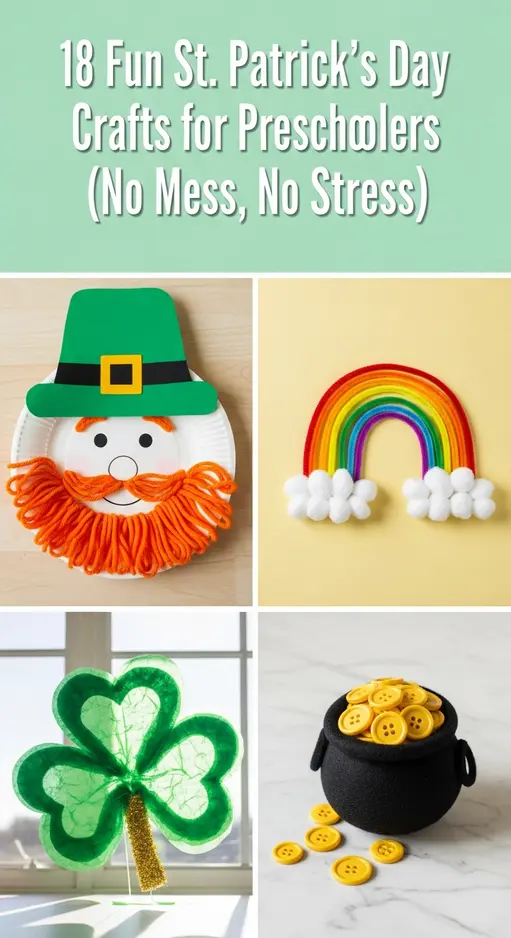
The easiest crafts for 3 year olds are Paper Plate Shamrocks and Fingerprint Rainbows. I find that pre-cutting the shapes myself saves a lot of time and frustration for little hands. In 2026, I suggest using washable Tempera Paint to keep clean-up fast and easy.
2. How can I do St. Patrick’s Day art without buying any new supplies?
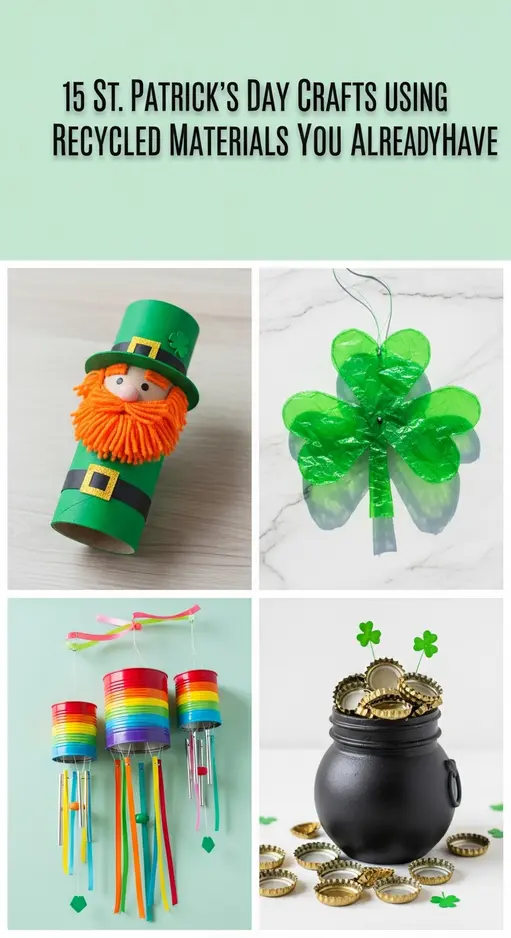
You can make holiday art by using items already in your pantry like Dried Pasta, Coffee Filters, or toilet paper rolls. I love turning old cardboard boxes into canvas and using green food coloring mixed with a bit of water as a makeshift dye. Check your junk drawer for spare buttons or ribbons to add extra texture.
3. What is a good mess-free St. Paddy’s activity for a busy preschool classroom?
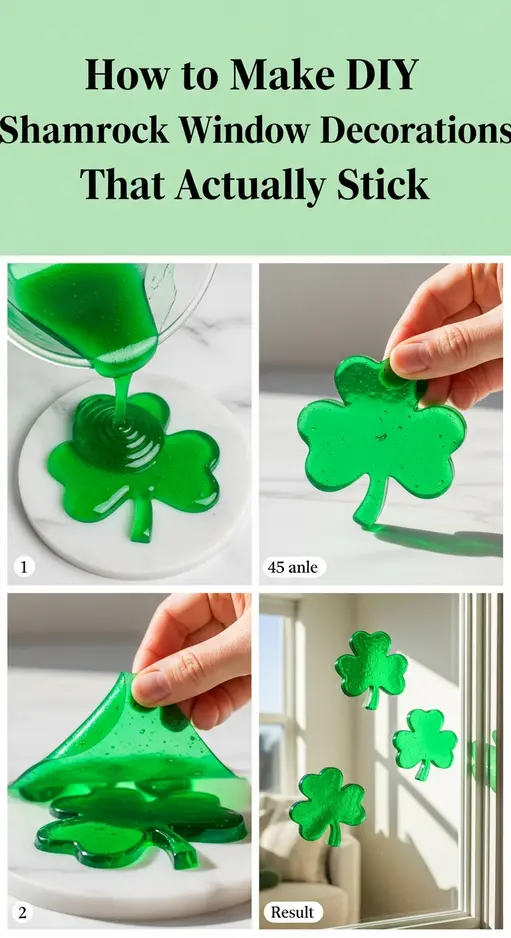
A contact paper window collage is the best mess-free way to decorate your classroom. I just tape a piece of clear Contact Paper to the window and let kids stick on green Tissue Paper scraps. It stays in place without any glue and looks like stained glass when the sun hits it.
4. How to make a simple leprechaun trap using only recycled cardboard and tape?
You can build a sturdy leprechaun trap by taping together an old cereal box and a paper towel tube. I like to cut a small “trap door” in the top and use Masking Tape to secure a ladder made of cardboard scraps. For a better hold in 2026, I use thick Duct Tape on the inside seams so the trap stays together during play.
5. Are there any St. Patrick’s Day sensory bin ideas that take five minutes?
Yes, you can make a quick sensory bin by filling a plastic tub with dry green split peas and gold plastic coins. I often throw in a few measuring cups and a pair of tongs to help kids work on their grip. This setup is a lifesaver when I need a fast activity that keeps toddlers busy for a long time.
6. How do you teach preschoolers about St. Patrick’s Day through simple craft projects?
I use color-themed crafts like sorting green objects or building a rainbow to explain the holiday symbols. While we glue Cotton Balls onto a paper rainbow, I talk about the legend of the pot of gold and why people wear green. Keeping the stories short and tied to the craft helps the lessons stick.
7. What are some green-themed fine motor activities for toddlers that require zero prep?
Sorting green pom-poms into a muffin tin is a great zero-prep activity for fine motor skills. I give my toddlers a pair of oversized plastic tweezers or a clothespin to move the items one by one. If you don’t have pom-poms, try using green cereal or large buttons from your sewing kit.
8. How to use kitchen tools like forks to paint shamrocks with preschool children?
You can paint a shamrock by dipping the back of a plastic fork into green paint and pressing it three times in a circle. This creates a fun textured look that kids find really cool. I always tell my students to press down hard and rock the fork slightly to make sure the paint transfers well.

2 Comments