
How to Make Simple St. Patrick’s Day Crafts for Beginners: A Step-by-Step Guide

Learn simple st patrick’s day crafts for beginners step by step! This easy paper plate shamrock guide is mess-free, budget-friendly, and perfect for kids.
If you are tired of saving cute craft ideas only to end up with a tear-filled “Pinterest Fail,” I completely hear you. You do not need an expensive craft store haul to make amazing memories with your kids this March.
Today, I am going to show you exactly how to make easy st patrick’s day crafts for beginners using common household craft supplies step by step. This tutorial breaks down simple st patrick’s day crafts for beginners step by step into exactly 10 idiot-proof steps.
And the best part? There are absolutely no glitter bombs or special skills required. You are guaranteed a beautiful, display-worthy result every single time.
💥 “My Pinterest Fail”
The first time I tried a St. Paddy’s craft, I used heavy acrylic paint on thin paper. It curled into a soggy mess and dyed my dining table green for a solid month. So, this 2026 tutorial was engineered to fix those specific structural issues, ensuring your plates stay flat and your table stays clean.
- Rule #1: The “Dry-Run” Rule: Always cut your shapes before calling the kids to the table. Their attention span is way shorter than your prep time.
- Rule #2: The “Less is More” Glue Rule: A “dot is a lot.” Over-gluing is the number one cause of soggy paper plate crafts.
- Rule #3: The “Sage over Neon” Strategy: Use muted green shades (Sage or Olive) to make the final result look like high-end decor rather than a messy classroom project.
Phase 1: Shaping the Shamrock Foundation
Step 1: Trace the Heart Petals
Grab your pencil and trace three large heart shapes onto your paper plates, utilizing the curved edges of the plate for natural dimension.
✅ Structural Check: Ensure the “point” of each heart reaches the exact center of the plate so they fit together later.
Step 2: Cut the Three Plate Segments
Take your scissors and carefully cut out the heart shapes, making sure to follow your pencil lines. You should have three identical “petals” ready for assembly.
✅ Structural Check: The edges should be relatively smooth to prevent little fingers from getting paper cuts.
Step 3: Arrange the Shamrock Layout
Lay the three hearts down flat on the table so the points meet in the middle. This naturally forms the classic clover shape.
✅ Structural Check: Overlap the center points by at least 1 inch for proper gluing stability.
Phase 2: Color, Texture, and Bonding
Now we transform the stark white plates into festive greenery and safely secure the paper structure together.
Step 4: Apply the Base Green Layer
Using your non-toxic paint, cover the front of the hearts with a thin layer of color. Use a “stippling” motion with a sponge for a textured, organic look.
Be sure to wait 10 minutes before moving to the next step so the paper does not turn to mush.
✅ Structural Check: The paint should be a thin, even layer that does not pool heavily in the center.
Step 5: Add the “Sage Green” Accents
Dab lighter or darker green shades onto the outer edges of the hearts. This creates a modern, minimalist depth to the paper.
Step 6: Secure the Center Connection
Apply a generous amount of non-toxic glue to the overlapping points in the center and press down firmly.
Make sure to hold it tight for exactly 60 seconds to ensure the bond sets properly.
✅ Structural Check: The three petals should hold together completely when you gently lift the edges.
Phase 3: Finishing Touches & The Irish Blessing
It is time to finalize the decor and add the sweet sentimental element that makes this a beautiful keepsake.
Step 7: Create the Stem
Cut a 4-inch strip from the leftover paper plate scraps and paint it green. Then, glue it to the bottom-center heart.
Step 8: Punch the Hanging Hole
Grab your hole punch or the tip of a sharp pencil. Carefully create a small hole at the top of the center heart petal.
✅ Structural Check: Ensure the hole is at least 1/2 inch from the edge so the paper does not rip under tension.
Step 9: The Final Touch – Attaching the Irish Blessing
On the back of the shamrock, use a fine-tip marker to write out a traditional Irish blessing.
Write exactly this: “May your pockets be heavy and your heart be light, may good luck pursue you each day and night.”
Step 10: Thread the Ribbon
Loop a piece of green ribbon or twine through the punched hole. Then, tie a simple knot for hanging.
Phase 4: Display Magic & Easy Clean-Up
Preservation & Display: Hang this lovely shamrock on a protected front door or an interior hallway. Because it is made of paper plates, you must keep it away from moisture or high-heat vents to prevent curling.
Storage Rules: This craft can easily be stored flat in a large Manila envelope so it stays completely safe. You can easily pull it out to reuse for your seasonal decor next year!
The 5-Minute Clean-Up Hack: To lift dried green paint from your table, use a baby wipe or a damp cloth with a tiny drop of dish soap. The moisture in the wipe reactivates the washable paint for an instant, effortless wipe-away.
Making this craft is about the fun memories, not just the perfect symmetry of the hearts. Seasonal decor should always be low-stress, and these handmade, printable ideas make Easy St. Paddy’s Day DIY projects a total breeze in 2026.
I really hope this quick afternoon activity brings a little extra luck and joy to your family this year. Be sure to pin this tutorial to your boards right now so you can find it again next March.
Copy the text below and text it to your best friend or the family group chat right now to lock in your weekend plans!
“Thought of you! I found this 10-minute St. Paddy’s craft that isn’t a total mess. Let’s make this with the kids this weekend: [Link]. May your heart be light!“
Frequently Asked Questions
1. How do I make a simple shamrock out of construction paper for beginners?
Cut three heart shapes from green Construction Paper and glue their points to a thin paper stem. I find that using a template helps keep the hearts the same size, and I always use a Glue Stick instead of liquid glue to keep the paper from wrinkling.
2. What are the best mess-free St. Patrick’s Day crafts for toddlers at home?
The best mess-free option is making “Suncatchers” using clear Contact Paper and pre-cut green Tissue Paper squares. In 2026, I started using reusable silicone mats under my work area to catch any stray bits of paper and keep my kitchen table clean.
3. Which common household items can I use for easy St. Paddy’s Day decorations?
You can use Coffee Filters, Paper Plates, and empty glass jars to make festive decorations quickly. I love turning white Coffee Filters into shamrocks by dipping the edges in green Food Coloring mixed with water for a pretty watercolor look.
4. How do you create a rainbow pot of gold craft with preschool children?
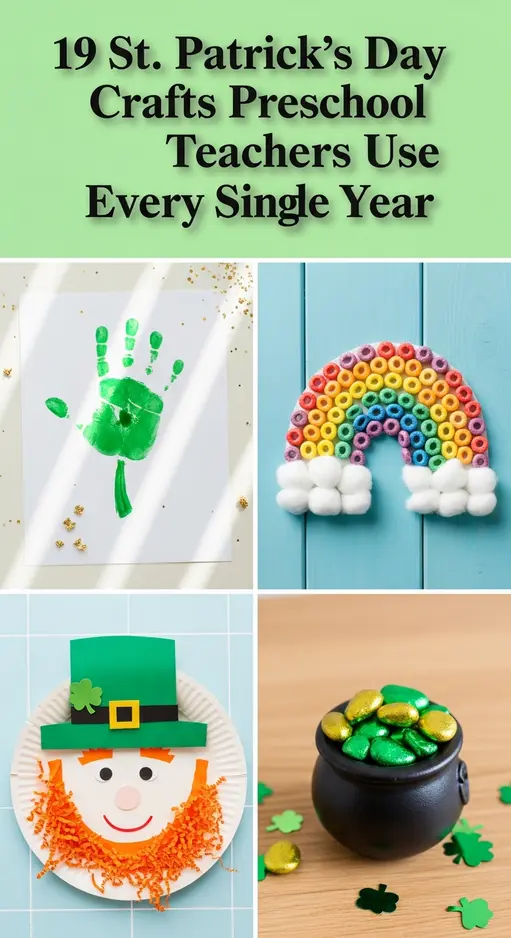
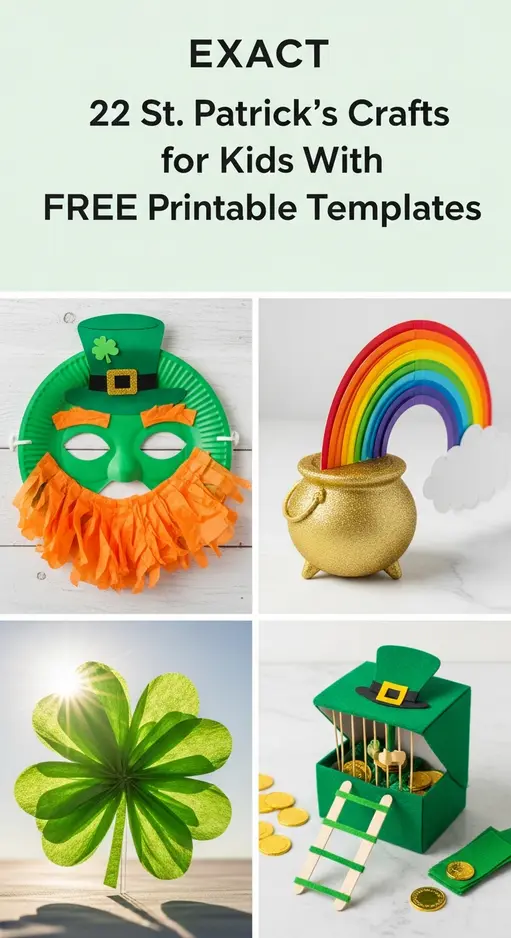
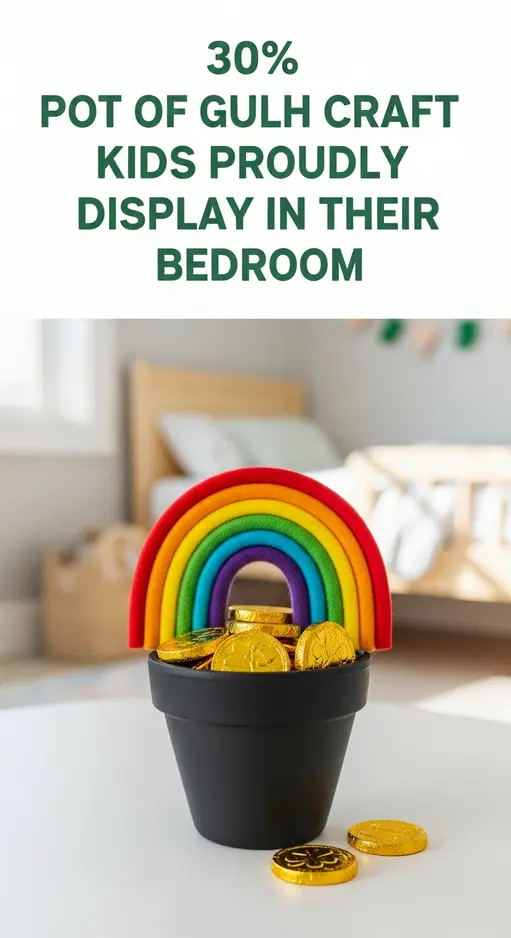
Glue strips of colored Cardstock in a bridge shape over a black Paper Cup filled with gold-wrapped chocolate coins. My trick for preschoolers is using double-sided Tape so they don’t have to wait for glue to dry before they play with the gold.
5. What is the easiest step-by-step leprechaun trap for a school project this year?
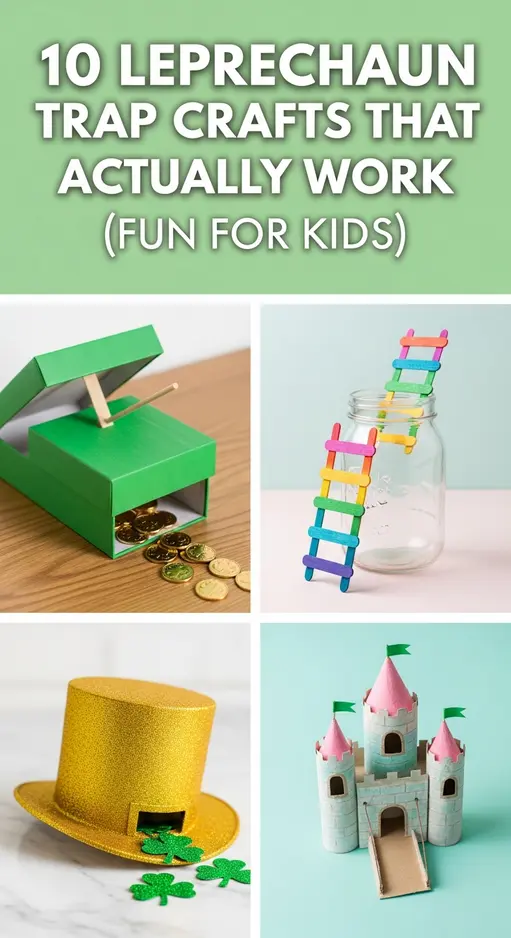
Turn an old shoebox upside down and prop it up with a decorated wooden craft stick. For my 2026 school project guide, I suggest covering the box with green Felt and adding a “free gold” sign to attract the leprechaun to your trap.
6. Are there any simple St. Patrick’s Day crafts that use recycled toilet paper rolls?
Yes, you can flatten a cardboard tube and cut it into four rings to glue together into a lucky four-leaf clover. I use Acrylic Paint to color the tubes first, and I found that stapling the rings together works much better than using white glue.
7. How can I make a quick St. Patrick’s Day garland for my living room?
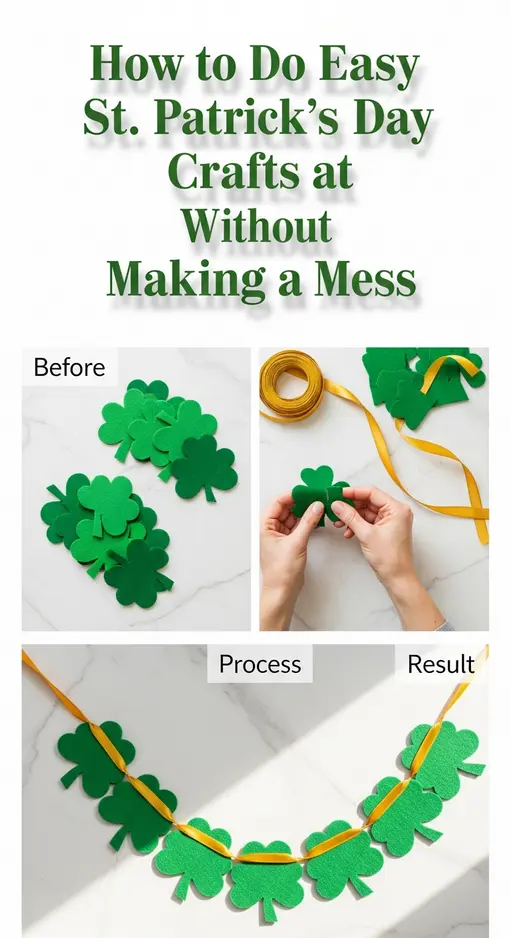
Hole punch paper shamrocks and string them onto a length of Green Twine or thick yarn. I use a piece of clear Scotch Tape on the end of the yarn to act like a needle, which makes it much faster to thread the paper shapes.
8. What basic crafting supplies should I buy for beginner St. Patrick’s Day DIY projects?
Buy green Cardstock, washable Markers, a good pair of Scissors, and some gold Glitter Glue. I always keep a bottle of Mod Podge on hand to seal my projects and give them a professional look that keeps them from peeling over time.

2 Comments