
9 St. Patrick’s Day Science Experiments My Kids Begged to Do

Discover 9 engaging St. Patrick’s Day science experiments for kids that use simple household items. Perfect for busy moms wanting low-prep, educational fun!
Are you tired of making holiday crafts that just end up as glitter permanently stuck in your carpet? I totally get that fear of the mess.
You want activities that actually teach something without requiring an extra trip to a specialty store. That is exactly why I put together these st patrick’s day science experiments for kids.
You will love how these focus on the satisfying ASMR of science—like fizzing bubbles—without destroying your kitchen. Plus, these easy and engaging st patrick’s day science experiments for kids using common household kitchen ingredients are totally foolproof.
Today, I am giving you exactly 9 mom-tested experiments that balance real learning with holiday magic. Let’s make 2026 your best spring yet!
- 🌈 Walking Water Rainbow Bridge: A visually stunning, mess-free chromatography lesson using just paper towels.
- 🪙 Pot of Gold Coin Cleaning Chemistry: A low-prep way to teach oxidation using pennies and pantry staples.
- 🧪 Magic Green Milk Experiment: An instant wow-factor activity teaching surface tension in just five minutes.
- ☘️ Fizzing Shamrocks Surprise: The classic baking soda reaction perfectly themed for toddler and preschool sensory play.
- ⚙️ Leprechaun Trap Pulley System: An awesome engineering challenge that brings physics to life for older kids.
Taking these experiments further is a great way to introduce advanced science and engineering holiday projects for young learners.
Have the students record their data using enjoyable and educational holiday math worksheets for your students.
Teachers love using these visual aids during st patrick’s day activities for elementary students classroom setting.
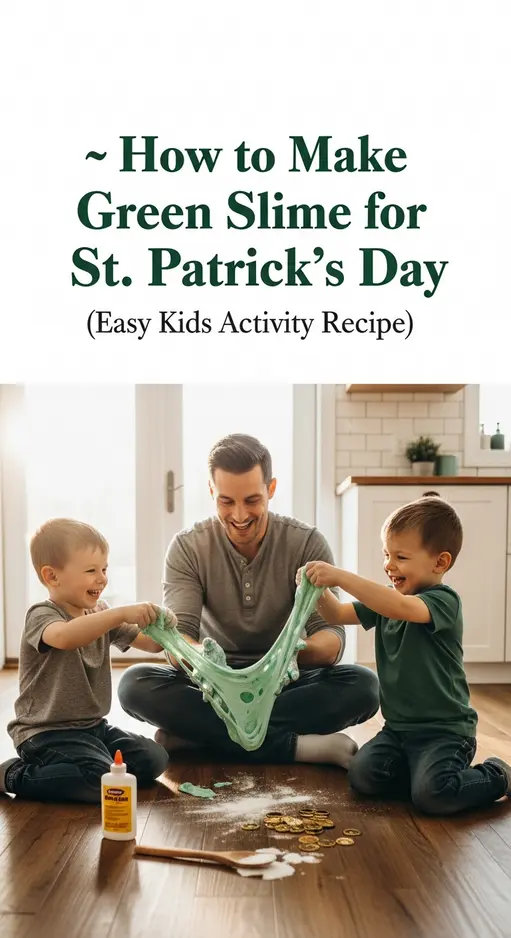
The most frequently requested chemistry project is learning how to create squishy green holiday slime from scratch.
Explosive Fun: Chemical Reactions That Wow (Easy St. Patrick’s Day Science for Preschoolers)
Explore the magic of chemistry! These St. Paddy’s Day STEM activities use a simple baking soda reaction to create fizzing holiday wonder.
Fizzing Shamrocks Surprise [ 🎒 Perfect for a Classroom Center ]
⏳ Prep Time: 5 mins | 🧼 Mess Level: Moderate – Keep it on a tray! | 💰 The Cost Factor: Pantry Stash
Supplies Needed: Baking soda, white vinegar, green food coloring, shamrock cookie cutter.
First, place your shamrock cookie cutter on a baking sheet. Then, pack it tightly with baking soda.
Add a few hidden drops of green food coloring into the powder. Finally, let your child drop white vinegar over it to reveal the green fizz!
✨ Why It Works: It gives kids that amazing sensory fizz while teaching basic acid-base chemical reactions.
Magic Leprechaun Rocks [ ✨ Aesthetic & Sensory Play ]
⏳ Prep Time: 15 mins (plus drying) | 🧼 Mess Level: Moderate | 💰 The Cost Factor: Pantry Stash
Supplies Needed: Baking soda, water, gold coins, green food coloring.
Mix baking soda, a little water, and green food coloring to make a thick paste.
Mold this paste around your plastic gold coins to form small rock shapes, then let them dry overnight.
Once hardened, have your kids squirt them with vinegar to dissolve the rocks and find the hidden gold!
✨ Why It Works: It combines a fun scavenger hunt with hands-on dissolving science.
Chasing Rainbows: 9 Best St. Patrick’s Day Science Activities for Color and Light
Teach the science of chromatography and surface tension with these vibrant Irish holiday science crafts. All you need are mason jars and color.
Walking Water Rainbow Bridge [ 🌈 Minimalist & Mess-Free ]
⏳ Prep Time: 5 mins | 🧼 Mess Level: Low | 💰 The Cost Factor: Pantry Stash
Supplies Needed: Clear cups or mason jars, water, paper towels, primary food coloring.
Line up six cups, filling every other cup with water and a few drops of red, yellow, or blue dye.
Fold paper towels into strips and place them connecting each cup in a continuous line.
Watch over the next hour as capillary action makes the colored water walk over the bridges to form a rainbow!
✨ Why It Works: It gives a highly visual, aesthetic lesson in how plants absorb water.
Skittles Rainbow Pattern Science [ 🍬 High Engagement / Budget Friendly ]
⏳ Prep Time: 2 mins | 🧼 Mess Level: Low | 💰 The Cost Factor: Under $3
Supplies Needed: A bag of Skittles candy, a white plate, warm water.
Arrange the candy in a large circle around the edge of your white plate, creating a bright rainbow pattern.
Carefully pour warm water into the center of the plate until it just reaches the candy.
Wait a few seconds and watch the food dye dissolve, rushing to the center without mixing!
✨ Why It Works: It beautifully demonstrates water stratification and dissolving sugar properties.
Magic Green Milk Experiment [ 🧪 Quick 5-Minute Setup ]
⏳ Prep Time: 3 mins | 🧼 Mess Level: Low | 💰 The Cost Factor: Pantry Stash
Supplies Needed: Whole milk, green food coloring, dish soap, cotton swabs, a shallow dish.
Pour a thin layer of whole milk into your dish and add several drops of green food coloring near the center.
Dip a cotton swab in dish soap, then lightly touch it to the center of the colored milk.
Watch as the soap breaks the surface tension, sending the green colors dancing away from the swab!
✨ Why It Works: It is a super fast, engaging way to visually teach the science of fat molecules and soap.
The Science of Gold: Density, Physics, and Dissolving
From learning how to make a leprechaun trap with physics to density layers, these activities focus on the pot of gold at the end of the STEM rainbow.
Rainbow Density Jar Layers [ 🍯 Aesthetic & Educational ]
⏳ Prep Time: 10 mins | 🧼 Mess Level: Moderate | 💰 The Cost Factor: Pantry Stash
Supplies Needed: Honey, corn syrup, dish soap, water, vegetable oil, rubbing alcohol, food dye, a tall clear jar.
Dye each of your liquids a different color of the rainbow, leaving the honey and oil natural.
Carefully pour them one by one into the jar, starting with the heaviest liquid at the bottom.
Use a dropper or pour slowly down the side to ensure the layers stack perfectly instead of mixing!
✨ Why It Works: It is a striking visual display of liquid density that looks incredible in photographs.
Pot of Gold Coin Cleaning Chemistry [ 🪙 Low Prep / High Learning ]
⏳ Prep Time: 2 mins | 🧼 Mess Level: Low | 💰 The Cost Factor: Basically Free
Supplies Needed: Dirty pennies, white vinegar, salt, a small bowl, paper towels.
Mix a quarter cup of white vinegar and a teaspoon of salt in your small bowl until the salt dissolves.
Drop a handful of tarnished, dark pennies into the liquid and count to ten.
Pull them out, rinse them in water, and watch how they suddenly look like shiny, brand-new leprechaun gold!
✨ Why It Works: The acid reacts with the copper oxide to clean the coins in seconds, making chemistry feel like magic.
Growing Borax Crystal Shamrocks [ 💎 Over-Night Result ]
⏳ Prep Time: 15 mins | 🧼 Mess Level: Moderate | 💰 The Cost Factor: Under $5
Supplies Needed: Borax powder, boiling water, green pipe cleaners, string, a pencil, a wide-mouth jar.
Shape your green pipe cleaners into a shamrock shape and tie it to the pencil with a piece of string.
Dissolve borax into boiling water inside your jar until the water is cloudy and powder settles at the bottom.
Hang the shamrock in the jar so it doesn’t touch the sides, and let it sit undisturbed overnight.
✨ Why It Works: It perfectly illustrates supersaturation and crystallization with gorgeous, sparkly results.
Leprechaun Trap Pulley System [ ⚙️ Engineering Challenge ]
⏳ Prep Time: 20 mins | 🧼 Mess Level: Moderate | 💰 The Cost Factor: Cardboard Box Recycling
Supplies Needed: Shoebox, string, an empty thread spool, a pencil, gold coins, tape.
Slide a pencil through your thread spool and tape the pencil across the open top of your shoebox.
Run a piece of string over the spool, attaching a small trap cage to one end.
Use a gold coin as bait, testing how much weight it takes on the string to pull the cage up or drop it down!
✨ Why It Works: It moves past simple crafts and dives deep into real, working mechanical physics.
Whether you are running a tight homeschooling schedule or just managing a busy classroom, a great activity only takes a little prep. I love how this year’s shift toward muted, minimalist photography on Pinterest proves that mess-free learning looks gorgeous in 2026.
These Irish holiday science crafts look just as good as they are educational for your little ones. Found a favorite? Pin this to your ‘St. Paddy’s Fun’ Pinterest board or share your ‘fizzing shamrock’ success in our Facebook group to help another mom survive spring break!
Don’t lose this toolkit. Tap the bookmark icon in your browser now so you have these activities ready to go for St. Patrick’s Day.
Frequently Asked Questions
1. How do you make a fizzing shamrock experiment using household baking soda and vinegar?
You create this experiment by mixing Baking Soda with a little water to form a paste, shaping it into a shamrock, and pouring Vinegar over it. I like to add Green Food Coloring to the Vinegar first so the fizzing bubbles look festive. Use a deep tray to catch the foam and keep your kitchen counters clean.
2. What are the best mess-free St. Patrick’s Day science activities for toddlers at home?
Color-mixing bags and magnetic sensory bins are the top mess-free choices for young children. In 2026, I started using heavy-duty Freezer Bags filled with clear hair gel and Green Glitter to let kids “draw” shamrocks without any spills. This method helps them learn about shapes and colors without a giant cleanup afterward.
3. How can I teach liquid density using a rainbow-themed jar for a school project?
Layer different liquids like Honey, Dish Soap, Water, and Vegetable Oil in a tall jar to show how different weights stack. I use a Pipette to slowly drip each colored layer down the side of the glass so they don’t mix together. This clearly shows how some liquids are heavier than others while creating a beautiful rainbow effect.
4. What supplies are needed for the walking water rainbow experiment with paper towels?
You will need six clear glasses, Water, Food Coloring in primary colors, and several thick Paper Towels. I found that using brand-name towels works best because they don’t tear when they get soaked with liquid. Fold the towels into narrow strips to help the water move faster between the glasses.
5. How long does it take to grow borax crystal shamrocks with pipe cleaners overnight?
It takes about 12 to 24 hours for the crystals to fully grow on your Pipe Cleaners. I suggest setting this up in the evening so the solution stays still and undisturbed while you sleep. For 2026 projects, I recommend using a wide-mouth glass jar to make sure the shamrock doesn’t touch the sides and get stuck.
6. Are there any St. Patrick’s Day science experiments that use common green food coloring?
Yes, you can use Green Food Coloring for the “Magic Milk” experiment or to dye white flowers to show how plants drink water. If you run out of green, try mixing Blue and Yellow drops together to get the perfect shamrock shade. I use this trick often when my craft supplies are running low during the holidays.
7. How do you build a leprechaun trap that demonstrates basic physics for elementary kids?
Build a simple trap using a Shoebox and a wooden stick to act as a lever that drops when the “bait” is touched. I use a light piece of string and a pulley made from a Thread Spool to show how force and gravity work together. This helps kids understand simple machines while they try to catch a sneaky leprechaun.
8. What is the science behind the magic green milk and dish soap surface tension?
The Dish Soap breaks the surface tension of the Milk, causing the fat molecules to move and carry the Green Food Coloring with them. I found that using Whole Milk gives the best results because the higher fat content creates a more powerful reaction. Use a cotton swab dipped in soap to touch the center of the bowl and watch the colors burst.






One Comment