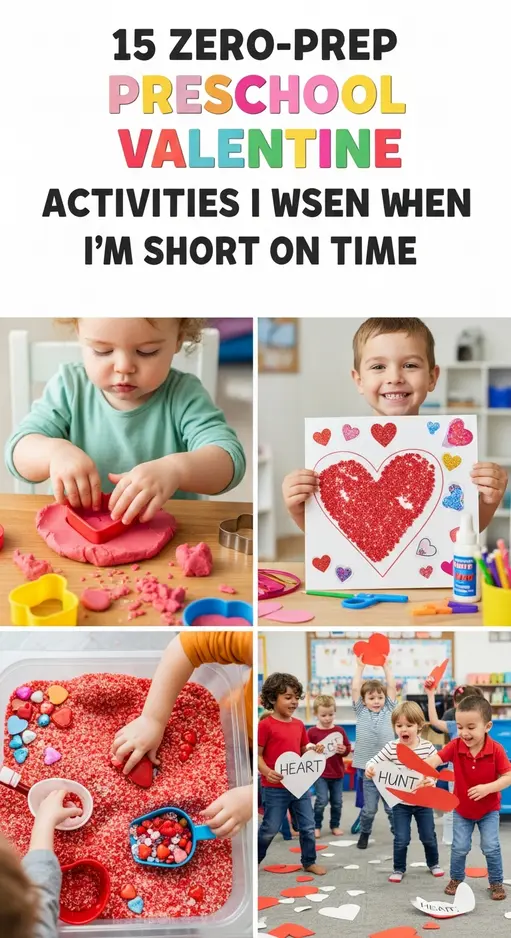
20 Valentine Sensory Play Activities My Toddler Asks For Again

Stop the boredom with the best Valentine sensory play activities for toddlers that entertain while teaching textures including Mess-free Valentine sensory bins for toddlers** for educational, low-prep fun.
Valentine sensory play activities for toddlers that entertain while teaching textures are the ultimate solution to the planning fatigue that hits every parent trying to balance holiday “magic” with the reality of toddler tantrums. We are moving away from plastic-heavy crafts and leaning into 2026’s biggest trend: Biodegradable Sensory Scapes. This approach keeps things zero-waste and stress-free while your little one explores.
*How to set up educational Valentine sensory play activities for toddlers to learn different textures* doesn’t have to be a multi-hour project. By using Sustainable sensory play materials for Valentine’s Day and leaning into Montessori Valentine activities for toddler development, we can create a mood that is both calming and stimulating. Let’s skip the glittery mess and dive into setups that actually help your kiddo learn.
🏆 Top 5 Valentine’s Day Date Ideas for 2026
- ❤️ The Dried Rose Petal Bin – Best for Learning Textures
- ❤️ Plant-Dyed Valentine Rice Bin – Most Sustainable
- ❤️ Wooden Heart Block Stacking – Best for Mess-Free
- ❤️ DIY Valentine sensory wall – Best for Early Learners
- ❤️ Tactile Valentine crafts for neurodivergent children – Best for Low-Stimulation
The Science of Touch: Teaching Soft, Rough, and Smooth Textures — 5 Ideas
Explore the developmental benefits of tactile learning with these non-toxic texture learning games for 2 year olds.
1. The Dried Rose Petal Bin
Cost: $Time: 5 MinutesMood: Calm/Aromatic
The Plan: Fill a wooden tray with dried red rose petals and hide small wooden hearts inside. This setup encourages a “soft vs. hard” discovery session that is completely compostable and smells incredible.
🚀 Level Up: Add a few drops of organic rosewater to the petals. This simple move engages the olfactory senses alongside touch, making the play session more immersive.
💬 Text This Invite: “I’ve set up a floral sensory tray for the little one—let’s let them explore while we have our coffee!”
2. Burlap & Silk Heart Match
Cost: FreeTime: 10 MinutesMood: Focused
The Plan: Cut heart shapes out of rough burlap and smooth silk scraps to create a tactile sorting game. It’s a great way to use up fabric remnants while teaching contrasting sensations.
🚀 Level Up: Glue the fabric hearts to sturdy cardboard discs. This makes them much easier for tiny hands to flip, feel, and organize on the floor.
💬 Text This Invite: “Found a use for those fabric scraps! Ready to help the toddler learn ‘rough vs. smooth’?”
3. Polished River Stone Sorting
Cost: $Time: 5 MinutesMood: Grounded
The Plan: Use cold, smooth river stones painted with red biodegradable paint to introduce a heavy and smooth sensory experience. These stones provide a satisfying weight that many toddlers find very grounding.
🚀 Level Up: Place the stones in a bowl of cool water. This introduces “wet vs. dry” textures to the game, adding another layer of sensory science.
💬 Text This Invite: “Setting up a ‘heavy heart’ stone tray. It’s super grounding for the kiddo today.”
4. Fuzzy Felt Heart Puzzles
Cost: $Time: 15 MinutesMood: Quiet
The Plan: Use stiff felt sheets to cut out interlocking heart puzzles. The felt provides unique “fuzzy” tactile feedback that is very different from paper or plastic toys.
🚀 Level Up: Add adhesive Velcro dots to the back of the pieces. Now, the toddler can “stick” the hearts to a felt board, adding a satisfying resistive pull to the activity.
💬 Text This Invite: “Toddler is obsessed with the felt board—come see this ‘fuzzy’ puzzle I made!”
5. Corrugated Cardboard “Bumpy” Hearts
Cost: FreeTime: 10 MinutesMood: Curious
The Plan: Peel the top layer off an old shipping box to reveal the ridges, then cut the material into hearts. This is a perfect lesson in “bumpy” textures using items you already have at home.
🚀 Level Up: Give the toddler a wooden stick or spoon. They can run it across the ridges to create a percussive sound, linking touch with auditory feedback.
💬 Text This Invite: “Found a way to recycle that Amazon box into a sensory lesson. Toddler is loving the ‘bumpy’ hearts!”
Eco-Conscious Valentine Bins: Sustainable sensory play materials for Valentine’s Day — 5 Ideas
Prioritize the planet while playing with these zero-waste and pantry-based setups.
6. Plant-Dyed Valentine Rice Bin
Cost: $Time: 15 Minutes + Dry TimeMood: Classic Fun
The Plan: Use beet juice to dye white rice for Valentine rice bin activities for home schooling that are 100% compostable. This avoids the synthetic dyes found in most store-bought sensory kits.
🚀 Level Up: Mix in dried star anise or cinnamon sticks. The natural, spicy scent adds a cozy element that keeps toddlers engaged for much longer.
💬 Text This Invite: “The beet-dyed rice is dry! Let’s get the toddler set up for some sensory scooping.”
7. Recycled Paper Pulp Hearts
Cost: FreeTime: 20 MinutesMood: Creative/Messy
The Plan: Blend scrap paper with water to create a thick pulp, then press it into heart molds to dry. The resulting “lumpy” texture is a fascinating tactile experience for early learners.
🚀 Level Up: Sprinkle wildflower seeds into the wet pulp. Once the toddler is done playing, you can plant the hearts in the garden together to watch them grow.
💬 Text This Invite: “We’re making ‘seed hearts’ today. It’s a bit messy but so cool for the kid to feel the pulp!”
8. Natural Wool Ball “Love” Bin
Cost: $$Time: 2 MinutesMood: Soft/Cozy
The Plan: Fill a bin with red and white 100% wool dryer balls or felt balls. This offers a “squishy” tactile experience that is completely silent—perfect for parents needing a low-noise afternoon.
🚀 Level Up: Provide wooden tongs or a large scoop. This encourages fine motor skills as the toddler tries to “rescue” the soft balls from the bin.
💬 Text This Invite: “The wool ball bin is a hit. No mess, just soft squishy fun for the afternoon.”
9. Beeswax Heart Modeling
Cost: $$Time: 10 MinutesMood: Artistic
The Plan: Warm up sheets of natural beeswax in your hands to mold into hearts. This activity is brilliant for teaching “hard to soft” transitions as the wax becomes pliable with warmth.
🚀 Level Up: Have a bowl of cold water nearby. Dip the finished hearts in the water to show how they “freeze” back into a hard texture instantly.
💬 Text This Invite: “This beeswax is so therapeutic. Come help us mold some tiny hearts!”
10. Red Beet-Dyed Pasta Sorting
Cost: $Time: 10 MinutesMood: Playful
The Plan: Dye various pasta shapes like rotini and penne with beet juice to create a texture-rich bin. The different shapes provide a mix of ridged and smooth sensations for little hands.
🚀 Level Up: Provide a thick string or a shoelace. The toddler can thread the penne “beads,” which is a fantastic way to work on hand-eye coordination.
💬 Text This Invite: “Pasta party! The red penne is ready for some threading practice.”
Mess-free Valentine sensory bins for toddlers — 5 Ideas
Focus on Montessori Valentine activities for toddler development that keep the cleanup to an absolute minimum.
11. Wooden Heart Block Stacking
Cost: $$Time: 2 MinutesMood: Intellectual
The Plan: Fill a bin with unfinished wooden hearts and blocks. It allows toddlers to explore “grainy and solid” textures without the stress of loose fill spilling onto your rug.
🚀 Level Up: Place a small acrylic mirror at the bottom of the bin. It adds a visual “infinity” element to the stacking that keeps kids curious for longer.
💬 Text This Invite: “The wooden heart stacker is out. It’s a totally mess-free win for today.”
12. Magnetic Heart Wand Search
Cost: $Time: 5 MinutesMood: Magic/Exciting
The Plan: Hide large metal washers covered in red paper inside a bin of dry beans. The toddler uses a magnetic wand to feel the “pull” sensation as they discover the hearts.
🚀 Level Up: Use different-sized washers. This allows you to teach “big vs. small” concepts alongside the magnetic sensory experience.
💬 Text This Invite: “I’ve hidden ‘magnetic love’ in the bean bin. Grab the wand and let’s play!”
13. Cotton Ball “Snowy Heart” Tray
Cost: $Time: 5 MinutesMood: Light/Airy
The Plan: Fill a tray with organic cotton balls and hide red heart stickers inside. It’s a “wispy and soft” search-and-find game that is incredibly easy to clean up.
🚀 Level Up: Give the toddler a small spray bottle of water. They will love watching how the “clouds” shrink and turn into a different, dense texture when wet.
💬 Text This Invite: “It’s a snowy Valentine’s day inside! Cotton ball fun is happening now.”
14. Ribbon Tug-of-War Box
Cost: FreeTime: 15 MinutesMood: Energetic
The Plan: Thread ribbons of different textures—satin, velvet, and grosgrain—through holes in a cardboard box. This creates a “pull” play experience that is entirely self-contained.
🚀 Level Up: Knot the ends of the ribbons on both sides. This ensures they don’t pull all the way out, providing a satisfying resistance that builds arm strength.
💬 Text This Invite: “Built a ribbon box for the toddler. They’re loving the different ‘slidy’ textures!”
15. Heart-Shaped Light Table Sorting
Cost: $$$Time: 2 MinutesMood: Ethereal
The Plan: Use translucent acrylic hearts on a light table for a “smooth and cool” tactile experience. The glow of the light table makes this a perfect evening “wind-down” activity.
🚀 Level Up: Overlap the hearts. This is a brilliant way to teach color mixing—show them how a red and blue heart make purple right before their eyes.
💬 Text This Invite: “The light table looks beautiful with these hearts. Perfect quiet time activity.”
Interactive Learning: Montessori Valentine activities for toddler development — 5 Ideas
Deepen the educational value with these complex sensory setups.
16. Air-Dry Clay Texture Stamps
Cost: $Time: 10 MinutesMood: Focused
The Plan: Give your toddler natural air-dry clay and have them press different textured objects like lace, sponges, or sticks into heart shapes. It’s a hands-on way to visualize texture.
🚀 Level Up: Once the clay is dry, have the toddler close their eyes. See if they can match the original object to the texture stamp it left behind.
💬 Text This Invite: “We’re making texture stamps in clay. Come see the patterns we found!”
17. Frozen Botanical Heart Melting
Cost: FreeTime: 5 Minutes + Freeze TimeMood: Scientific
The Plan: Freeze small flowers or leaves inside heart-shaped ice molds. This allows toddlers to explore “cold and slippery” textures as the ice begins to melt in their hands.
🚀 Level Up: Provide a small dropper of warm water. This speeds up the “rescue” mission of the flowers and introduces the concept of temperature change.
💬 Text This Invite: “The ice hearts are ready! Time for some ‘melting’ science with the kiddo.”
18. DIY Valentine sensory wall for early learners
Cost: $Time: 20 MinutesMood: Exploratory
The Plan: Secure different textures—like scrub sponges, velvet, and bubble wrap—to a wall at toddler height in heart shapes. This encourages standing and reaching while they play.
🚀 Level Up: Arrange the textures in a “path.” Have the toddler “walk” their hands from one heart to the next to see how many different feelings they can find.
💬 Text This Invite: “The sensory wall is finished! It’s like a touch-and-feel book but giant.”
19. Tactile Valentine crafts for neurodivergent children
Cost: $Time: 10 MinutesMood: Gentle/Inclusive
The Plan: Create “Heavy Hearts” by filling fabric pouches with flaxseeds or dried lavender. These provide calming proprioceptive input that helps regulate the nervous system.
🚀 Level Up: Warm the pouches slightly in the microwave. The added soothing heat makes these a perfect tool for calming down before nap time.
💬 Text This Invite: “I made some weighted hearts for the little one. They’re so calming to hold.”
20. Cornmeal “Sand” Bin with Heart Gems
Cost: $Time: 5 MinutesMood: Gritty/Fun
The Plan: Use cornmeal as a “gritty” and edible-safe sand alternative. Hide smooth glass “gems” inside to create a high-contrast texture bin that toddlers will love to sift through.
🚀 Level Up: Provide a sifter or a kitchen colander. The toddler can “mine” for the smooth gems, watching the gritty cornmeal fall through the holes.
💬 Text This Invite: “Cornmeal bin is set up! It’s the perfect ‘gritty’ texture for a treasure hunt.”
🚑 3 Backup Plans (Because Life Happens)
* The “Tantrum” Pivot: If a specific texture is overstimulating, stop immediately. Switch to a “heavy work” activity like pushing a laundry basket full of books to help them reset.
* The “Taste-Test” Emergency: If your toddler is in a “mouth everything” phase, stick strictly to the food-grade options like rice or pasta. Moving the bin to a high-chair tray can also help you supervise more closely.
* The “Messy Explosion”: Keep a “Clean-Up Kit” nearby. A handheld vacuum and a damp microfiber cloth hidden in a kitchen drawer will handle most spills before they become a house-wide disaster.
Final Thoughts on Valentine sensory play activities for toddlers that entertain while teaching textures
The shift in 2026 is all about sustainable, plastic-free play that doesn’t sacrifice the fun. Using Toddler Valentine activity kit ideas can simplify your week and keep the focus on connection rather than cleanup. Found an activity your toddler will love? Send this list to your partner or playgroup chat to start planning your Valentine’s week!
Frequently Asked Questions
1. What are the best Valentine sensory play activities for toddlers to learn different textures?
The best Valentine sensory play activities for toddlers include using dyed rice for graininess, satin ribbons for smoothness, and crinkly paper hearts for a crisp, tactile contrast. The biggest date trend for 2026 is “multigenerational play,” and I’ve found that including natural textures like dried rose petals adds a sophisticated, fragrant layer that captivates both toddlers and parents alike.
2. How can I create budget friendly Valentine sensory play setups for toddlers at home?
You can create budget friendly setups by repurposing pantry staples like flour, dried beans, or pasta and dyeing them with leftover food coloring or beet juice. In my experience, the most successful sessions come from items I already own, like a plastic storage bin and a few red kitchen spatulas, which eliminates the need for expensive store-bought kits.
3. What supplies do I need to plan a safe Valentine sensory bin for toddlers?
A safe Valentine sensory bin requires a large, shallow container, non-toxic fillers such as large pasta shapes or oatmeal, and oversized tools that do not present a choking hazard. I always make sure to use “taste-safe” materials because I’ve learned that toddlers explore with their mouths just as much as their hands, so swapping glitter for shredded pink tissue paper is a much safer bet.
4. How to create a cozy heart themed atmosphere for toddler Valentine sensory play sessions?
To create a cozy heart themed atmosphere, use soft warm-toned string lights, plush red pillows, and a curated playlist of gentle acoustic love songs. In 2026, we’re seeing a shift toward “hygge-inspired” play spaces, and I’ve found that dimming the main lights and using a lavender-scented diffuser helps settle the energy so the focus remains on the tactile experience.
5. Are there non toxic Valentine sensory activities that teach toddlers about soft and rough?
Yes, non toxic activities for teaching soft and rough include using cotton balls or velvet scraps for “soft” and dried sponges or corrugated cardboard for “rough.” I love to glue these different materials onto large cardboard heart cutouts to create a “texture board,” which I found helps my toddlers associate the physical sensation with the descriptive word more effectively than loose items.
6. How long does it take to prep DIY Valentine sensory play activities for preschoolers?
It typically takes about 20 to 30 minutes to prep DIY Valentine sensory activities, especially if you need to dye rice or cut out felt shapes in advance. I recommend doing your prep work the night before so the “date” with your little one feels seamless; I’ve found that trying to dye materials while a preschooler is watching leads to a much messier kitchen than intended.
7. Which Valentine sensory activities are most effective for teaching toddlers about varied physical textures?
Activities that utilize “sensory soup”—where toddlers use ladles to scoop floating foam hearts out of warm water—are incredibly effective for teaching the difference between wet, dry, and slippery textures. My trick for keeping this mess-free is laying down a heavy-duty shower curtain liner under the play station, which allows the kids to explore water play without me stressing about the hardwood floors.
8. What is the most cost effective way to organize Valentine sensory play for toddlers?
The most cost effective way to organize play is to shop your own home for “red and pink” objects and use a rotating toy system to keep the items feeling fresh. I’ve discovered that by simply changing the bin filler from white rice to pink-dyed chickpeas, my toddler treats his old toy shovels like brand-new treasures, saving me from buying a new set every February.